Fuel analysis
The transition to lower-carbon transport is accelerating, but not all sectors will electrify at the same pace. Aviation, marine, and heavy-duty transport will continue to rely on high-performance liquid fuels, driving global interest in renewable diesel, biodiesel, Sustainable Aviation Fuel (SAF), HVO, and synthetic e-fuels that enable decarbonisation without sacrificing performance.
Policy momentum has intensified this shift. In Europe, RefuelEU Aviation mandates a 2% SAF blend starting in 2025, rising to 70% by 2050. The UK SAF Mandate follows a similar trajectory, targeting 10% by 2030 and 22% by 2040. At the same time, investment is expanding across multiple production pathways, including HEFA, Alcohol-to-Jet, and Fischer-Tropsch, accelerating the move from concept to commercial reality.
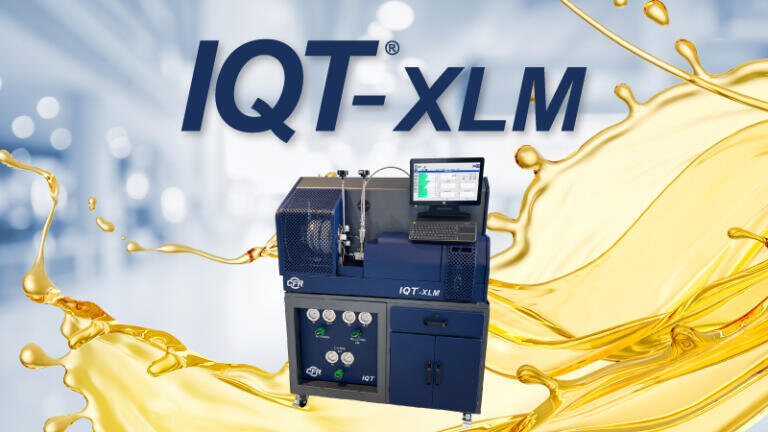
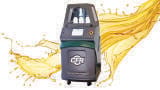
As fuel innovation speeds up, a critical challenge emerges: new fuels must be developed rapidly while meeting rigorous standards for certification and performance. Ignition quality testing remains essential in addressing this need. For decades, the IQT® – Ignition Quality Tester from CFR Engines Inc. has delivered reliable Derived Cetane Number (DCN) data across conventional and alternative fuels.
In aviation, the IQT has proven especially valuable. DCN is not only relevant to diesel performance but also serves as an indicator of combustion behaviour in jet fuels, including factors like lean blowout risk. This insight led to ASTM D6890, performed on the IQT, becoming a recognised screening method within ASTM D4054—the global standard for evaluating new aviation turbine fuels and additives.
A key advantage of the IQT is its low sample requirement, critical for early-stage fuel development where volumes are limited. Full DCN analysis can be conducted with as little as 10 mL of fuel, and partial analysis with just 5 mL, enabling efficient testing from pilot-scale or research samples.
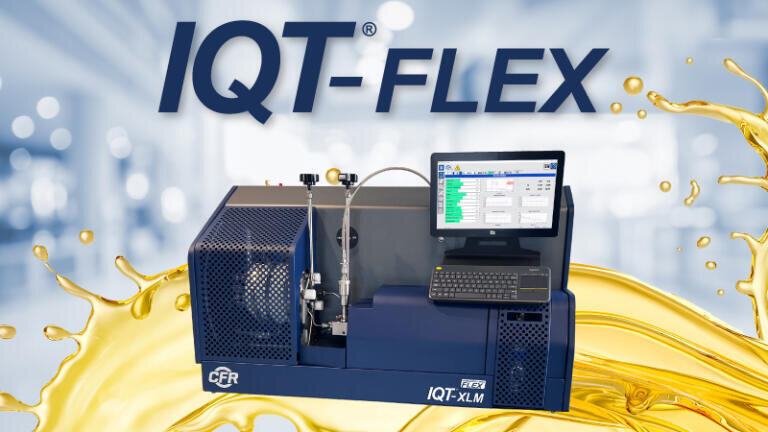
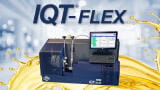
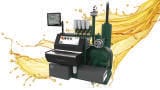
As fuel diversity expands, laboratories increasingly need to explore ignition behaviour beyond standard test methods. The IQT-FLEX was developed to meet this need, building on the IQT-XLM platform to provide both compliance testing and advanced research capability in a single system. It enables seamless switching between standardised testing and flexible experimental modes, making it ideal for institutions balancing regulatory requirements with innovation.
The IQT-FLEX enhances research capability through expanded operating conditions, including higher pressures and temperatures, allowing simulation of a broader range of combustion environments. Researchers can study ignition delay, combustion kinetics, and fuel behaviour in greater depth, with support for long ignition delays, configurable injection strategies, and detailed pressure trace analysis for post-test evaluation.
These capabilities are increasingly important as fuels become more complex, including low-reactivity synthetics and advanced biofuels. Understanding the relationship between temperature, pressure, and ignition is essential for optimising performance and emissions.
The timing is critical. Global initiatives, including IEA Bioenergy programmes and U.S. Department of Energy efforts, emphasise the need for research, development, and commercialisation across multiple fuel pathways. This reinforces the importance of tools that support both standardised testing and exploratory research.
The IQT-FLEX addresses this need by bridging compliance and discovery. It enables researchers to generate high-quality DCN data while also designing custom experiments and capturing deeper combustion insights.
As sustainable fuel innovation becomes increasingly collaborative across academia, industry, and government, analytical tools must do more than validate results, they must accelerate progress. With the trusted performance of the IQT platform and the expanded flexibility of the IQT-FLEX, CFR Engines Inc. continues to support the development of next-generation fuels.
As SAF mandates grow and renewable fuel pathways expand, the demand for precise and adaptable ignition testing will only increase. The IQT-FLEX meets this demand by empowering researchers with the tools needed to advance cleaner combustion and drive meaningful progress toward a lower-carbon future.
PIN 27.4 Aug/Sept 2026



 Product directory





















.jpg)
