New test method ASTM D8606 has been officially released

Flash point

New test method ASTM D8606 has been officially released

17 Jun, 2026

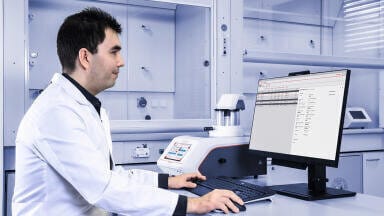
We are thrilled to announce that the new standard test method ASTM D8606 has been officially confirmed and published by ASTM International. This standard test method specifies the procedure for finite flash point determination of liquid waste using a Modified Continuously Closed Cup (MCCCFP) tester, operating within a temperature range of –25 °C to 90 °C.

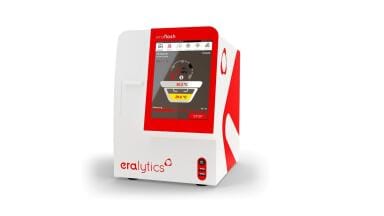
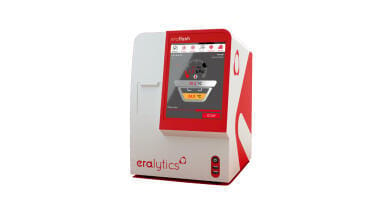
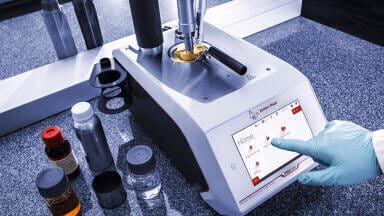
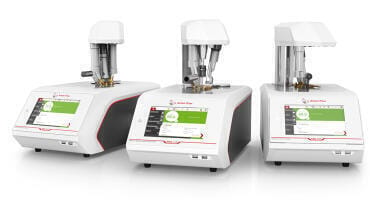
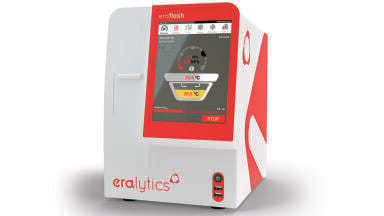
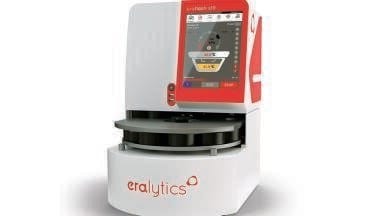
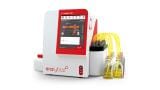
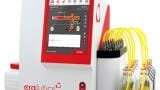
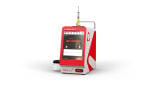
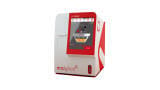
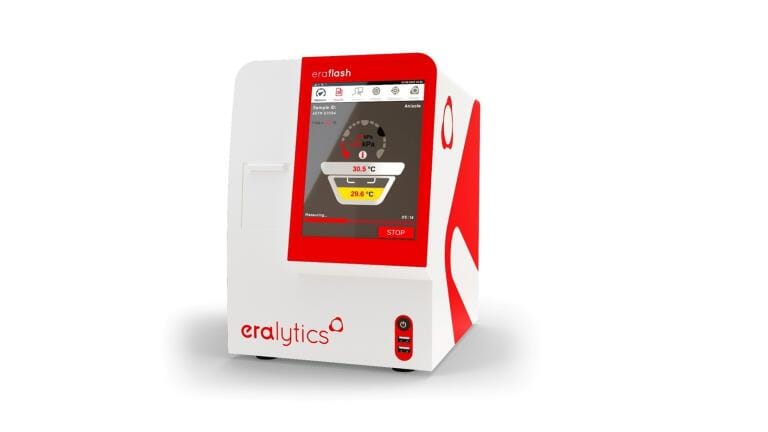
This milestone confirms the MCCCFP method, which is utilized by the eraflash flash point tester series developed by eralytics. This leads to a certified and highly beneficial approach for analyzing the ignitability properties of liquid waste, including discarded materials, off-specification products, and materials recovered during emergency responses.

Why ASTM D8606 and MCCCFP stand out against traditional methods?

Testing liquid waste for its flash point can be challenging and dangerous, primarily because the exact composition and volatility of the waste are often unknown. The eraflash flash point testers utilizing the newly confirmed ASTM D8606 standard, offer several advantages over traditional testing methods:

  • Maximum safety with no open flame: Traditional flash point testers like Pensky-Martens testers (ASTM D93) often rely on an open flame, which poses a severe risk when testing highly volatile or unpredictable liquid waste. In contrast, the MCCCFP method ignites the sample inside a continuously closed chamber, drastically reducing fire hazards in the laboratory.
  • Minimal sample volume: Traditional methods often require large amounts of sample material. The new standard procedure requires only 2 mL of sample for testing, which means less disposal is needed.
  • Continuously closed cup design: The sample is placed in a closed, unsealed test chamber with an overall volume of 7 mL to ensure that volatile materials cannot easily diffuse and cause inaccurate flash point results prior to the ignition test.
  • Highly controlled ignition and detection: The method uses a high-voltage electrical arc for ignition and detects the flash point by monitoring an instantaneous pressure increase inside the test chamber, making the detection highly precise and independent of flame observation.

With the introduction of ASTM D8606, laboratories dealing with environmental analysis and waste management now have a standardized, inherently safer, and highly efficient method to conduct crucial fire risk assessments.

PIN 27.2 Apr/May 2026

Explore our Digital Edition

Discover the latest news and research

Digital edition

Explore Our Other Sites

Labmate Online
GLP-1 obesity drugs linked to fewer asthma attacks and reduced inhaler use
Explore more Arrow
Envirotech Online
New laser-based PPM gas analysis for environmental monitoring
Explore more Arrow
Pollution Solutions Online
Next-generation reverse osmosis membranes for more efficient and cost-effective seawater desalination
Explore more Arrow
Chromatography Today
Wiley expands forensic drug database for faster identification of designer drugs
Explore more Arrow