Showing 1 to 12 of 105 results
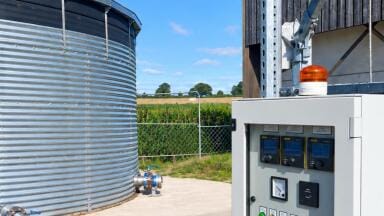
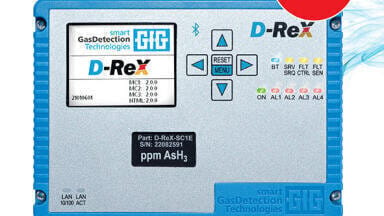
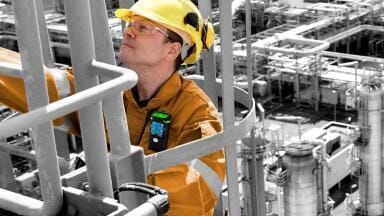
A Fixed Gas Monitor, commonly employed in the petrochemical sector, is a critical safety device designed to detect and continuously monitor the presence of hazardous gases within industrial facilities. These monitors play a pivotal role in ensuring the safety of personnel, protecting the environment, and safeguarding valuable assets in the petrochemical industry.
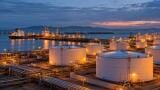
Fixed Gas Monitors are strategically installed at various points throughout petrochemical plants, refineries, and storage facilities. They are equipped with sensors capable of detecting a wide range of potentially harmful gases, such as hydrogen sulfide (H2S), methane (CH4), carbon monoxide (CO), and volatile organic compounds (VOCs).
The primary functions of a Fixed Gas Monitor in the petrochemical sector are:
Early Warning: Fixed Gas Monitors provide real-time data on gas concentrations, issuing alarms when levels exceed predetermined thresholds. This early warning system allows personnel to take immediate action, such as evacuation or containment, to mitigate potential hazards.
Safety Compliance: Regulatory bodies mandate the continuous monitoring of certain gases to ensure compliance with safety standards. Fixed Gas Monitors help petrochemical facilities adhere to these regulations and avoid costly penalties.
Asset Protection: Gas leaks can lead to fires, explosions, and corrosion of equipment. By detecting gas leaks promptly, Fixed Gas Monitors help prevent catastrophic incidents and protect valuable infrastructure.
Environmental Stewardship: Monitoring emissions is essential to minimize the environmental impact of petrochemical operations. Fixed Gas Monitors aid in monitoring and reducing emissions, promoting sustainable practices.
PIN 27.4 Aug/Sept 2026



 Product directory














-EN-2.jpg)
.jpg)