Analytical instrumentation
The global energy sector is undergoing a rapid transformation, driven by the urgent need to reduce greenhouse gas emissions, enhance energy security, and transition toward low-carbon alternatives. Across regions, the pace of decarbonization varies, but the direction is clear: sustainable fuels are emerging as a critical solution to meet climate goals while supporting domestic energy strategies. These fuels, ranging from bioethanol, renewable diesel, and biodiesel to hydrogen and Sustainable Aviation Fuel (SAF), offer cleaner-burning, renewable alternatives to traditional fossil fuels.
As the world shifts toward these alternatives, industries are navigating complex challenges: the need to scale production, ensure cost-effectiveness, secure sustainable feedstocks, and meet stringent performance and environmental standards. From fuel testing and certification to infrastructure compatibility, the adoption of sustainable fuels depends on innovation, collaboration, and robust technical support.
PAC, a global solution provider of advanced lab and online analytical instruments, has developed a Sustainable Fuels Guide that examines this evolving landscape in depth, highlighting fuel definitions, production pathways, environmental benefits, and testing requirements. It also explores industry trends and outlines PAC’s commitment to research, innovation, and delivering advanced testing solutions that help fuel producers and users overcome technical and operational challenges.
Among the most promising sustainable fuels is Sustainable Aviation Fuel (SAF), a low-carbon alternative to conventional jet fuel. SAF is made from renewable feedstocks such as used cooking oil, agricultural residues, algae, and municipal solid waste. Chemically similar to petroleum-based jet fuel, SAF is a “drop-in” solution that can be used in existing aircraft and fueling infrastructure without modifications.
SAF is particularly vital to the decarbonization of aviation, a sector responsible for roughly 2–3% of global CO₂ emissions. Depending on the feedstock and production process, SAF can deliver up to an 80% reduction in lifecycle GHG emissions. It also emits lower levels of sulfur dioxide (SO₂), nitrogen oxides (NOx), and particulate matter, improving air quality around airports.
Since its first test flight in 2008, SAF has been used in over 400,000 commercial flights. Still, widespread adoption faces barriers such as high production costs, limited feedstock availability, and the need for global scale-up.
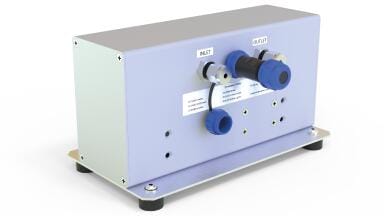
PAC plays a pivotal role in advancing SAF adoption through precision fuel testing and compliance solutions. Instruments such as the JFA-70Xi for freezing point and JFTOT IV for thermal stability, are essential in verifying that SAF meets key industry standards like ASTM D7566 and DEF STAN 91-91.
PAC also supports analysis of emerging feedstocks and process streams, offering custom solutions to help optimize yield, reduce downtime, and ensure product quality. Our involvement in global standardization organizations further reinforces our commitment to supporting innovation across the sustainable fuels sector.
To explore the full landscape of renewable fuels and the role of precision testing in enabling cleaner energy, download PAC’s Sustainable Fuels Outlook. Discover how we’re helping customers navigate the energy transition with confidence.
Click here to learn more about PAC.
PIN 27.4 Aug/Sept 2026

 Product directory


.jpg)











.jpg)


.jpg)