Analytical instrumentation
Published over 7 years ago. See the latest and most current information on Analytical instrumentation.
PAC’s AC Analytical Controls offers multiple analysers for determining hydrocarbon type content. This is an important parameter for quality control of fuels. The analysis of these compounds is mandated in fuel standards to guarantee product usability, such as combustion properties, as well as compliance to environmental legislation.
To determine hydrocarbon type content, the Fluorescent Indicator Absorption (FIA) method according to ASTM D1319 is still widely in use in laboratories world-wide. Diesel specification ASTM D975, Jet Fuel specification DEF STAN 91-091 and ASTM D1655 refer to FIA as referee method for aromatic content. EPA legislation for reformulated gasolines lists FIA as the designated test method for olefin content and alternative method for aromatics content. Despite its wide usage, the FIA methodology is considered cumbersome and labor intensive. Additionally, availability of suitable indicator dye has recently become problematic.
Various alternative test methods exist, which are easier to use and automate. Also, these methods generally exhibit better performance characteristics allowing refiners to blend closer to product specifications, thereby reducing product give-away and improving margins.
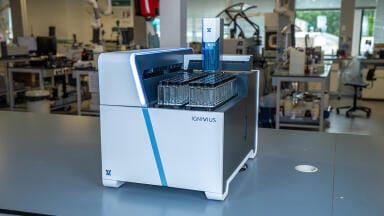
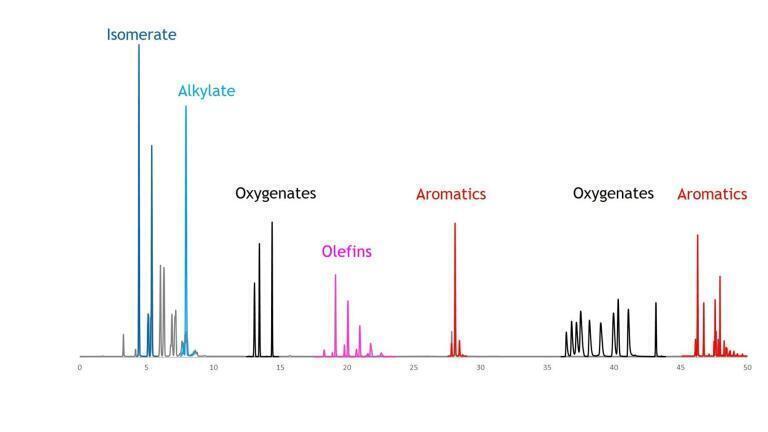
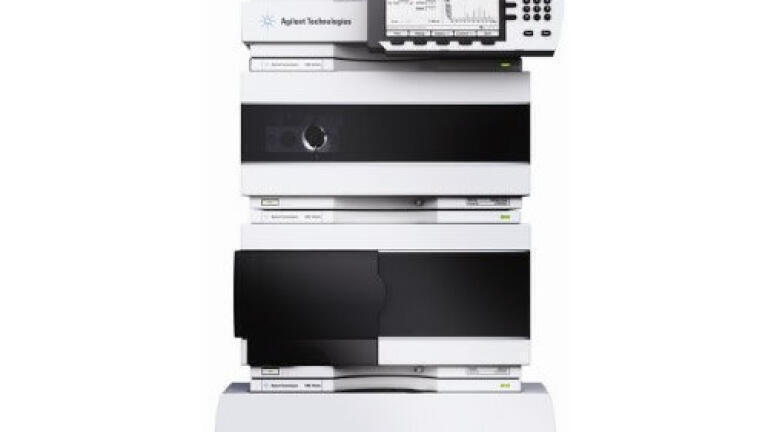
For gasoline, the AC Reformulyzer™ is the instrument of choice. This technology is standardised in ASTM D6839 and has proven to be a reliable and accurate tool for refiners since its introduction in the 1990’s. The latest model, the Reformulyser™ M4, was recently enhanced with an optimised gasoline method. One run yields a complete breakdown of gasoline hydrocarbon group type content, including benzene, total aromatics, oxygenates and olefins in 50 minutes. ASTM D6839 meets EPA requirements for use as an alternative method to D1319 for determine the volume percent of olefins in gasoline as per ASTM research report D-02-1818.
For jet fuel and diesel, the AC MDA application can be used as an alternative to determine aromatics content. AC MDA conforms to ASTM D6379, this method is alternative for FIA in jet fuel specifications. For diesel fuels, ASTM D6591 is a suitable method to determine aromatic hydrocarbon types as well as polynuclear aromatic hydrocarbons. The AC MDA conveniently covers the scope of both applications is a single instrument.
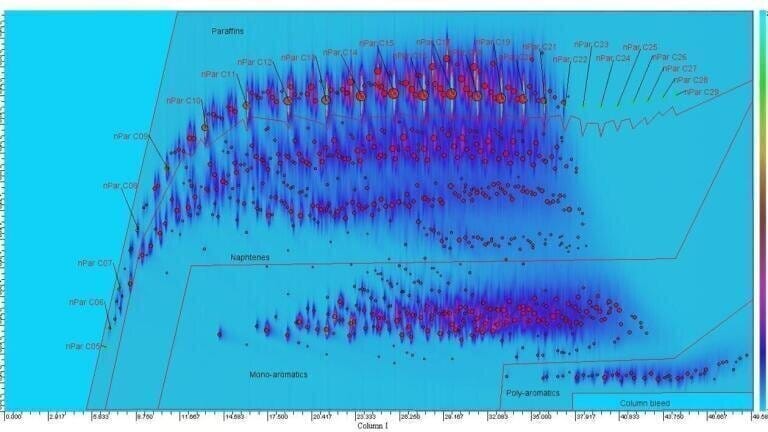
Another possibility for the analysis of hydrocarbon group types in middle distillates involves comprehensive 2-dimensional gas chromatography (GCxGC). Based on significant improvements to the flow modulator technology, AC Analytical Controls has developed the first dedicated analyser for routine group type analysis of (bio)diesel fuel products and jet fuels with a final boiling point up to 450°C. The application is built on a 7890B GC and includes a dedicated column set with optimised modulator, gravimetric tuning mix, reference sample and predefined reporting templates.
The analyser delivers reliable quantitative data on iso- and normal Paraffins, Naphtenes, Aromatics and FAMEs, as was demonstrated by analysing a set of samples and comparing the results to the HPLC method.
All solutions presented above can be ordered through AC Analytical Controls as guaranteed applications, delivered turn-key to your laboratory. Please check our website for further details.
For more information on Gasoline testing according to D6839 using the Reformulyzer, read our application note here.
Read more about the MDA application please click here.
To read more about the analysis of hydrocarbon group types using GCxGC, click here to read the application note.
PIN 27.4 Aug/Sept 2026




 Product directory


.jpg)










.jpg)

.jpg)