Analytical instrumentation
Throughout the process industries, on-line analysis is being asked to do more than ever before. Rising operating pressures, variable feedstocks, hydrogen adoption and tighter safety criteria are exposing the short-comings of conventional analytical methods. In many plants, decisions are still made using delayed laboratory data or single-parameter measurements that cannot keep pace with constantly changing process conditions. In many cases it is not a question of if better data is available, but whether existing analysis strategies are fit for purpose.
This is where advanced photonics, combined with artificial intelligence (AI), is beginning to raise expectations. Optical measurement technologies already provide rapid, non-contact access to process conditions, but when combined with AI-driven interpretation, their role shifts from simple measurement toward continuous insight. Instead of reporting values after the fact, analysers can identify emerging anomalies, track process drift and support proactive intervention.
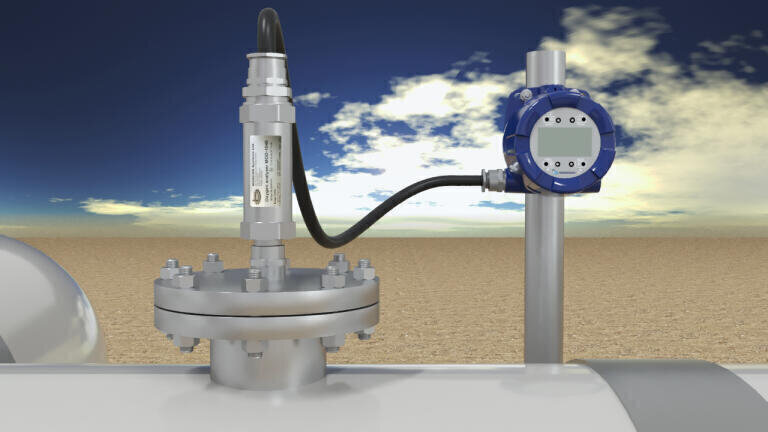
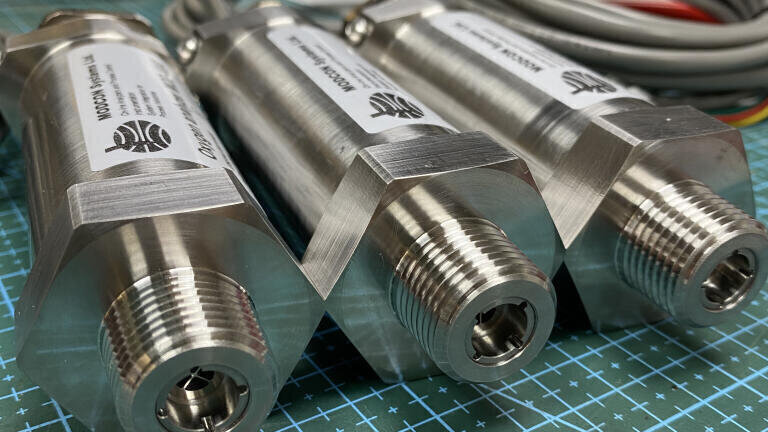
Gas analysis provides a clear example of this transition. In safety-critical locations, oxygen ingress is a persistent concern, particularly in hydrogen systems, inert processes and high-pressure gas handling. Optical oxygen analysers demonstrate how photonic measurement can address long-standing limitations of conventional technologies. Measuring directly in the process, without sample extraction, reduces the system’s complexity, eliminates continuous venting and delivers rapid responses where a matter of seconds can make a considerable difference. For operators, this raises an important question: should oxygen measurement be treated purely as a compliance requirement, or as an active safeguard that informs operational decisions in real time?
Similar questions are asked in liquid and multiphase analysis. Near-infrared (NIR) spectroscopy has long been established as a powerful tool, but its adoption has often been limited by calibration complications and sensitivity to changing conditions. Today, AI-based modelling and pattern recognition are overcoming these barriers. By learning from process behaviour rather than relying solely on static laboratory correlations, AI-enabled NIR systems can adapt to feedstock variability and maintain accuracy without the need for constant recalibration.
Nowhere is this more relevant than in refineries, where crude variability directly affects energy efficiency, product quality and economic performance. Continuous NIR monitoring of crude feedstock provides immediate visibility of quality changes before they propagate through the distillation column. When AI translates spectral data into actionable quality indicators, users gain the ability to respond proactively rather than reactively. The real value lies not in the measurement itself, but in how early insight improves operational procedures.
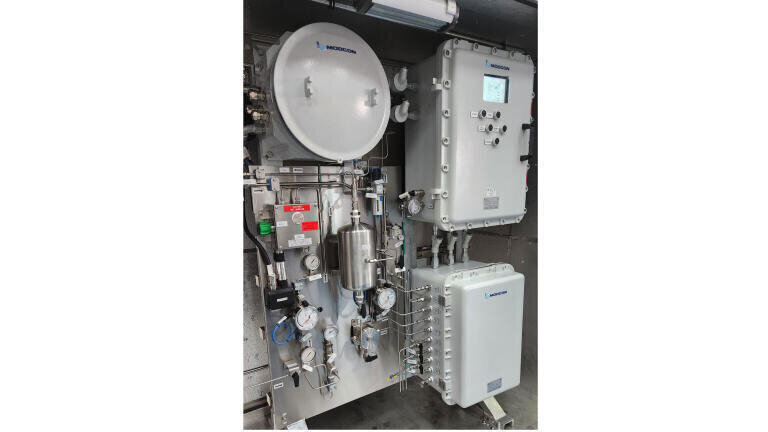
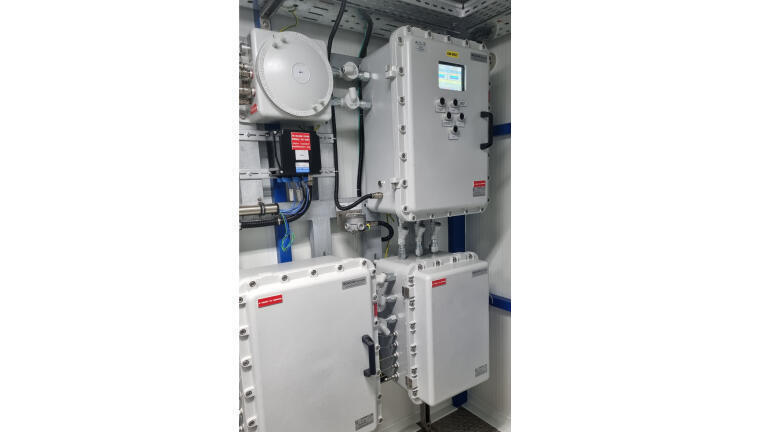
As photonics and AI technology advances, another shift is becoming apparent: the move away from standalone analysers in favour of intelligent analytical systems. Measurement performance increasingly depends on system-level design, including sample handling where necessary, hazardous-area compliance, digital communication and lifecycle support. This has led to growing interest in Product-as-a-Service and solution-based models, where responsibility for measurement reliability and performance is shared over the long term.
Companies such as Modcon Systems are applying this systems-based approach by combining photonic analysers, digital architectures and AI-driven analytics into integrated solutions. In doing so, analytical data becomes a reliable input for control, optimisation and digitalisation strategies, rather than an isolated data point on a screen.
As the process industries move toward hydrogen, alternative feedstocks and increasingly autonomous operation, the role of on-line analysis is being redefined. The key question for operators and engineers is no longer which analyser to choose, but how measurement, interpretation and decision-making are connected. Advanced photonics and AI offer a powerful foundation, but their impact ultimately depends on how effectively they are applied within real operating environments.
PIN 27.4 Aug/Sept 2026


 Product directory













.jpg)



.jpg)

.jpg)