Analytical instrumentation
Published over 9 years ago. See the latest and most current information on Analytical instrumentation.
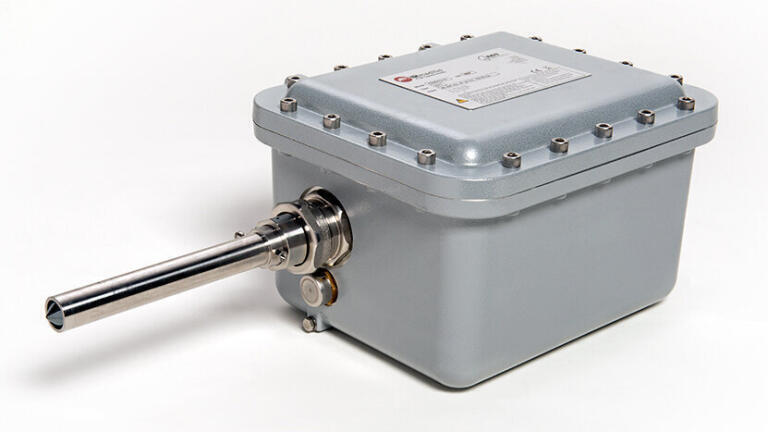
Keit announces advanced detection limit of water in glycols (e.g., triethylene glycol) with the IRmadillo™ FTIR spectrometer. The recent improvements in the rugged IRmadillo has led to a five-fold improvement in detection limits down to 96 ppm which far exceeds the 800 to 1000 ppm drying limit for industrial glycol dehydration processes. With the recent advancements in detection limits, the Keit IRmadillo FTIR spectrometer has been developed as a new type of process analytical technology (PAT). It is a compact, mid-infrared, solid-state instrument built rugged for mounting directly onto, or in line with, industrial manufacturing equipment. It provides the ability to continuously monitor chemical concentrations in relevant samples of interest -- such as water in glycols, water in solvents, and other fuel contaminants -- for effective downstream processing in the Oil and Gas industries. Unlike other analytical techniques, Keit Spectrometers continually expands the boundaries of FTIR spectroscopy, making an instrument that is tough enough for use at the point of production and practical enough to provide continuous, real-time results for petro-chemical manufacturers.
PIN 27.4 Aug/Sept 2026




 Product directory


.jpg)











.jpg)

.jpg)