
Analytical instrumentation
Published over 10 years ago. See the latest and most current information on Analytical instrumentation.
The MARPOL Regulations published by the International Convention for the prevention of Pollution from ships was promulgated to prevent marine pollution. The regulation centers on air pollution and controls it through the establishment of limits on nitrogen oxides (NOx) emissions and requirements to burn fuels with lower sulfur content. These limits were established to protect people’s health and environment by reducing ozone-producing pollution.
The provisions of the Annex VI of the MARPOL Treaty were implemented by the United States (U.S.) Environment Protection Agency (EPA) through the Act to Prevent Pollution from Ships, 33 U.S.C. 1901-1905. These requirements apply to all U.S. flagged ships wherever located and to all non-U.S. flagged ships operating in U.S. waters. This has come to mean all water within 200 nautical miles of the U.S. shores and also on the Great Lakes.
On February 19, 2015, a new document was published which was called the direct final rule. While this is a broad set of rules covering a variety of regulations, the largest changes concerned the MARPOL VI provisions. These were required to align the regulations in the U.S. with those of the updated version of Annex VI. The areas where these rules apply (EPA) were better defined, as well as the operations of exempted vessels. Far and away, the most sweeping changes took place in the permitted sulfur levels in the fuels.
The level of sulfur was reduced to 0.10%, as was promulgated earlier but the enforcement date was moved forward from January 1, 2016 to January 1, 2015. This, in effect, started the new, lower level immediately upon issuance of the document. In addition, it introduced new analytical techniques which could be used for the determination of the sulfur concentration in the fuel. This was designed to open up the options for newer instruments on the market to be qualified to perform this measurement.
This new qualification procedure has come to be called a Performance Based Measurement System (PBMS). This methodology replaced the old primary method/equivalent method protocol with an approach where all methods can stand on an equal footing. The U.S. EPA originally used this new approach for ULSD testing back in 2006 and has been expanding it ever since. It is an integral part of the new ULSG sulfur determination and has recently been discussed in detail.
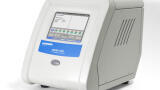
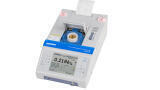
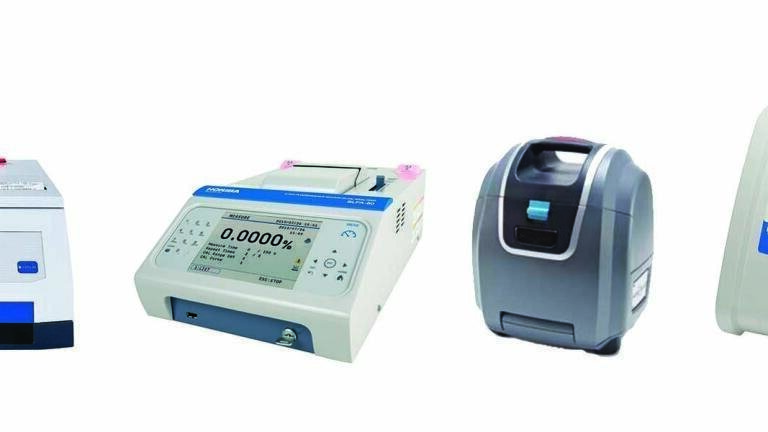
For this level of sulfur determination, D4294 types of instruments have been used for years. They offer a robust design, ease of use, low purchase prices and low cost of ownership. These advantages are exemplified by the HORIBA line of SLFA analysers. The portable products have been in the market for 40 years and are accepted by all regulatory agencies.
PIN 27.4 Aug/Sept 2026


 Product directory


.jpg)









.jpg)

.jpg)