Analytical instrumentation
Published over 5 years ago. See the latest and most current information on Analytical instrumentation.
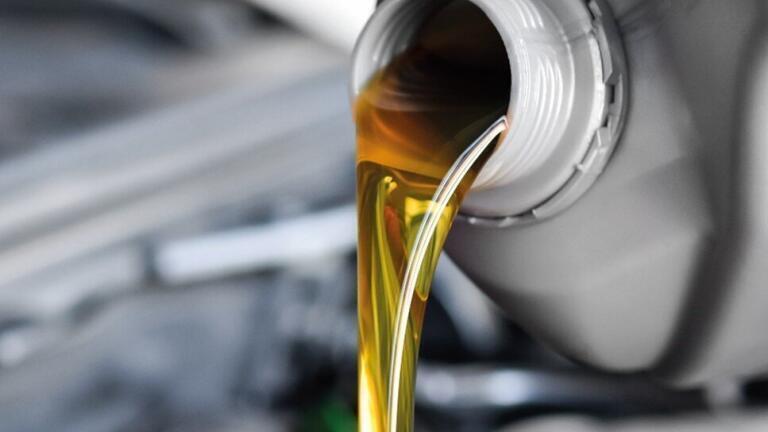
The properties and performance of lubricating oils depend significantly on the additives (Ca, Zn, P, S) as well as on unwanted contaminants (e.g., Cl, which can cause corrosion). Certain wear metals, such as copper (Cu), can indicate wear in an engine. Thus, reliable determination of additives, contaminants, and wear metal concentrations is important to use additive compounds economically and to optimise the oil and engine performance and lifetime.
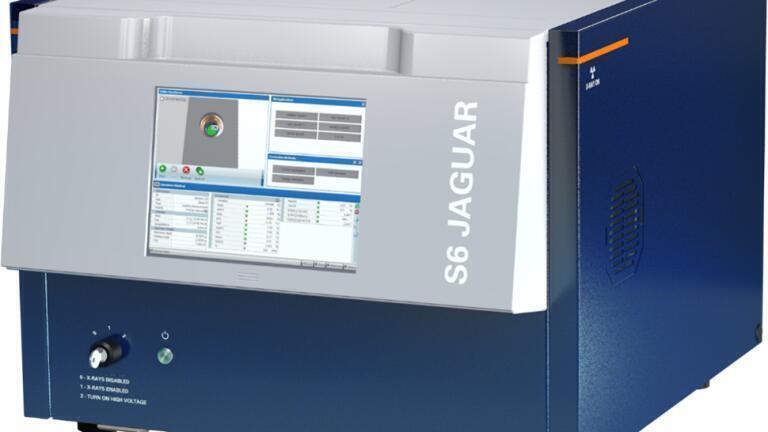
Bruker’s wavelength-dispersive X-ray fluorescence (WDXRF) benchtop spectrometer S6 JAGUAR enables such analysis of lubricating and engine oils according to ASTM D6443. The system combines ease-of-use and low cost of operation with excellent accuracy and precision.
When installed at oil production plants, the quality of incoming materials can be tested, and the use of additives optimised. Accurate compositional monitoring of used oils from engines allows to forecast potential part failures to minimize downtime and maintenance costs.
Read more on the article here or for further information please click here.
PIN 27.4 Aug/Sept 2026

 Product directory


.jpg)










.jpg)


.jpg)