Analytical instrumentation
Published over 9 years ago. See the latest and most current information on Analytical instrumentation.
With analysts estimating that there are up to 70 million vehicles on Indian roads, it’s no surprise that the country consumes a huge amount of petrol. Though in late November, the country experienced an unprecedented spike in fuel demand, with petrol station sales jumping by a huge 10%.
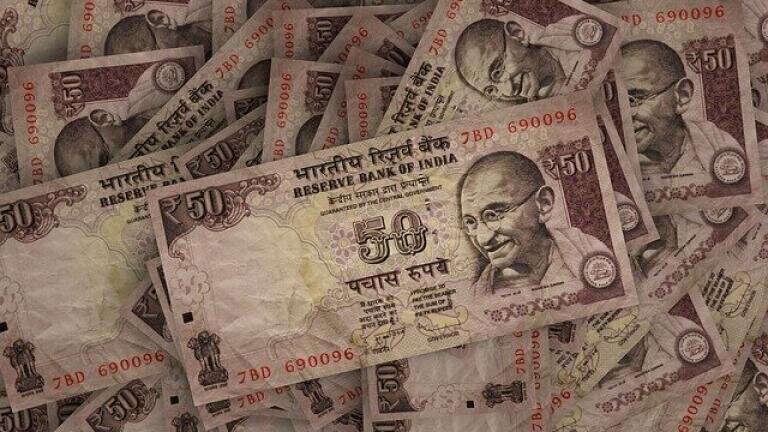
So what caused the nationwide rush to stock up on petrol and diesel? On November 8, the Government of India announced that within a matter of hours, all 500 and 1000 rupee notes would be demonetised. The notes are worth a respective £6 and £12, and make up the majority of India’s cash economy.
The ban was a implemented across the nation, though some government entities and public services were exempt until the official cut-off date. Petrol stations were included in the release, which triggered a nationwide rush to fill up tanks, and get rid of demonetised notes in the process.
In the 30 days following Prime Minister Modi’s demonetisation announcement, India’s trio of state-run firms reported unprecedented sales. Together, Indian Oil Corp, Bharat Petroleum and Hindustan Petroleum sold an average of 89,000 kilolitres per day, which represents an 11% increase from last year’s statistics.
The radical initiative was part of a top-secret plan to clean up the country’s black market cash supply, flush out counterfeit notes and force tax evaders to report income. A 50 day grace period has allowed the population to redeem cancelled cash for newly printed 500 and 2000 rupee notes, or in many cases, simply spend up big at state-run petrol stations.
The after-shock has been felt across the country, with newly printed bank notes failing to meet national demand. Locals have been forced to line up for hours at banks and ATMs, with machines still running out of cash within hours. This is despite the fact that the announcement was made over a month ago. As a result, Modi has urged his country to embrace digital payment methods, and ensure that the majority of the nation’s cash is underpinned by a paper trail.
From managing cash economies to maintaining gasoline standards, new regulations are continually being introduced by regulatory bodies. ‘Impact of Tier 3 Program’ outlines the latest measures introduced by the U.S. Environmental Protection Agency, which challenge refiners to produce higher quality products, while simultaneously maximising efficiency.
PIN 27.4 Aug/Sept 2026


 Product directory


.jpg)









.jpg)



.jpg)