Analytical instrumentation
Published over 9 years ago. See the latest and most current information on Analytical instrumentation.
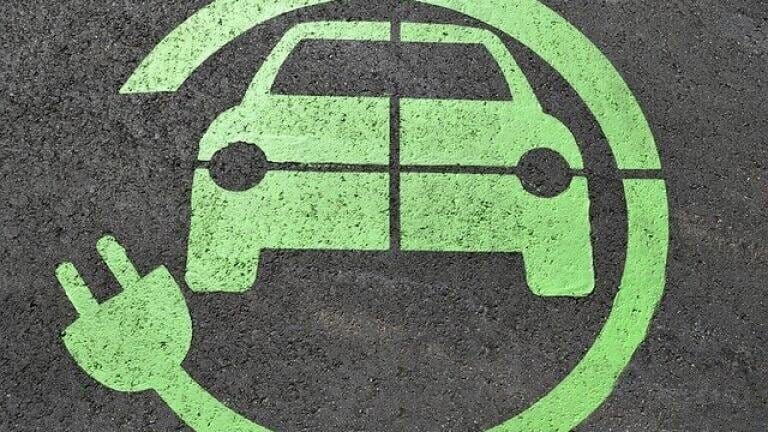
Brands like Tesla may be pioneering the electric car movement, but their vehicles don’t come cheap. For most people, Teslas and their electric counterparts remain wildly out of reach. At least from a financial perspective.
But according to UBS, the landscape could be about to change. Analysts maintain that the cost of owning an electric car could soon hit parity with petrol vehicles. As for timelines? Equilibrium could emerge as early as next year in Europe, which could spark an earlier than expected adoption of battery vehicles.
The predictions come from an in-depth analysis of the Chevrolet Bolt, conducted by UBS. After physically tearing apart a Bolt, the bank is predicting an “inflection point for demand” for battery-driven cars.
As the world’s first mass-market long range electric vehicle, UBS analysts estimate that the battery powered Chevy costs around $28,700 to manufacture. This is partly due to the fact that its electric motor contains just three moving parts, compared to the 113 components that make up the engine of a Volkswagen Golf. From an annual maintenance perspective, the Bolt calls for $255 while the Golf demands $610.
Building on this data, UBS estimates that the total cost of European ownership (including fuel and other running costs) will match that of traditionally powered vehicles by as soon as 2018. China will draw even in 2023, with the USA bringing up the rear in 2025.
UBS automotive analyst Patrick Hummel explains, “People focus on the sticker price, but they underestimate the difference in the cost of running the vehicle.” Hummel led the research, and adds “There is likely more demand than we thought previously.”
As a result, UBS has heightened its expectations for global electric vehicle sales by 50%, and made a bold prediction that by 2025, 14% of all cars sold globally will be battery powered. In Europe, it forecasts that a huge one in three cars will be electric.
This is a big prediction, given that currently, sales of electric and hybrid cars account for less than 1% of global sales. Of course, this is largely due to the high price point and relative lack of convenient charging infrastructure. UBS is predicting that this will soon change, which will spark a huge wave of adoption.
With a string of new electric models set to hit dealerships before 2020, the revolution is already underway.
Electric cars may be on-track for a takeover, but that hasn’t stopped advancements within the oil and gas industry. For a closer look at the latest developments, ‘OptiFuel: A Game-Changer in Rapid Fuel Analysis Using Cutting-Edge FT-IR technology’ spotlights the latest solution used to measure fuel properties with minimal training, from day one.
PIN 27.4 Aug/Sept 2026


 Product directory


.jpg)










.jpg)



.jpg)