Analytical instrumentation
Published over 6 years ago. See the latest and most current information on Analytical instrumentation.
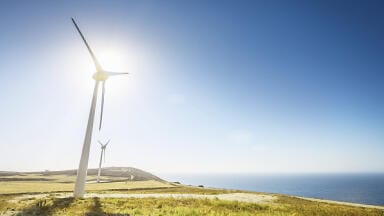
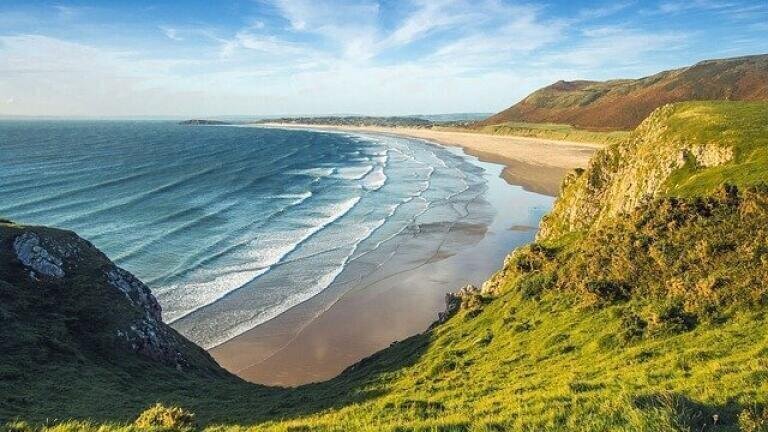
While experts admit oil and gas reserves in Wales are "meagre" compared to other regions of the UK, the country could emerge as an important site for generating alternative forms of energy. From housing wind turbines to extracting geothermal energy from the seabed and capturing factory emissions, industry experts claim oil and gas sites such as the Douglas Fields and Cardigan Bay could offer serious redevelopment value to British producers.
"Oil and gas companies are now becoming energy companies and want us to consider energy as a global resource," says Dr Tiago Alves, a marine and petroleum geologist at Cardiff University's School of Earth and Ocean Sciences.
Dr Alves maintains that oil and gas sites in Wales could help companies minimise their carbon footprints by housing equipment used to capture C02 emissions from UK factories. So, if harmful emissions are released from rigs in Libya or Egypt, they could be offset by Welsh plants that collect and neutralise smoke generated by British factories in the northeast before it's released into the atmosphere.
Awareness surrounding the environmental impact of the energy industry is growing, with Exon Mobil recently investing £3.1 billion in projects designed to reduce emissions. It's also been awarded 300 patents for new carbon neutral technologies, including an injection technique designed to create oxygen bubbles at decommissioned oil and gas fields and minimise environmental damage. For companies such as Exon Mobil, Welsh oil and gas sites could also emerge as a good opportunity to diversify and branch out into other energy industries.
While oil and gas advocates see sites like the Douglas Fields and Cardigan Bay as an opportunity, proposals to extract oil and gas have been slammed by environmental groups. A recent application lodged by Eni UK to start exploring offshore was met with anger from locals, who claim it could have a negative impact on the dolphin population.
Dr Alves says that thanks to "mind blowing" EU regulations, exploration projects with the potential to disturb wildlife are immediately dismissed. Instead, he says Eni UK was probably interested in exploring the seabed as a potential site for low impact energy diversification projects such as wind turbines or geothermal energy.
From redeveloping unprofitable oil and gas sites to minimising build-up of deposits in industrial plants, the energy industry is continually on the search for new ways to innovate. Focussing on the advanced Spectroquant® Silicate Test, 'Ultrasensitive Determination of Silicate in Process and Boiler Water Using Rapid Photometric Tests' spotlights the latest method being used to analyse silicate levels and reduce build-up of scale on pipes, boilers and turbines.
PIN 27.4 Aug/Sept 2026


 Product directory


.jpg)








.jpg)




.jpg)