.jpg)
.jpg)
Analytical instrumentation
FAME control is a regular part of diesel quality management. Refineries, terminals, fuel distributors, and contract laboratories need to know whether a diesel blend meets the required specification before the product is released, transferred, or accepted into storage. When a result is delayed, operational decisions are delayed as well. This is where a defined FTIR spectroscopy workflow comes in.
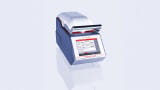
Anton Paar’s Lyza 7000 FTIR spectrometer gives petrochemical laboratories a direct route from liquid diesel sample to quantified FAME result. The method uses the characteristic ester carbonyl absorption of fatty acid methyl ester at around 1,745 cm-1, enabling direct evaluation of biodiesel content in diesel without additional analytical complexity. After acquiring the spectrum, Lyza 7000 calculates and reports the FAME concentration directly in % v/v using an embedded quantification function.
A key advantage of the Lyza 7000 FTIR spectrometer is its embedded workflow. FAME determination follows the established FTIR approach for diesel: a liquid sample is measured in transmission, and the ester band is evaluated against a calibration. The calibration range is selected by the laboratory according to the fuels being controlled.
Once the method has been set up and validated for the relevant product range, Lyza 7000 guides the user through the entire measurement and evaluation sequence and generates a measurement report.
This matters in daily fuel quality control, where FAME checks can occur after blending, during storage, before dispatch, after receipt at a terminal, or when investigating a questioned batch. In each case, the value of the analysis depends on how quickly and consistently the result can be used.
In daily fuel operations, the most valuable result is the one that arrives while there is still time to act. By bringing quantified FAME results into the instrument workflow, Lyza 7000 helps petrochemical teams keep blend verification aligned with the pace of release, transfer, and troubleshooting decisions. See how it performs in your own lab with a 70-day, risk-free trial.
PIN 27.4 Aug/Sept 2026

 Product directory


.jpg)









.jpg)

.jpg)

.jpg)
.jpg)