Analytical instrumentation
Published over 14 years ago. See the latest and most current information on Analytical instrumentation.
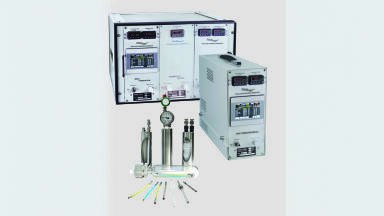
The Jet Fuel Thermal Oxidation Test (JFTOT) ASTM D3241 is used universally by the Aviation Industry to measure the high temperature stability of aviation turbine fuels. ASTM D3241 is a requirement on every batch of jet fuel produced according to ASTM D1655 or DEF STAN 91-91 specification.
In this test method, the fuel is pumped through a heater tube at a fixed flow rate over a specified period of time. The fuel is rated Pass or Fail according to the amount of deposit formed on the heater tube at a specified temperature. Traditionally, the amount of deposit on the tube is rated visually against a reference colour scale. Rating deposits properly against a colour scale requires significant experience and expertise. Operator capabilities vary, therefore evaluation of colour is quite subjective. Many articles have been published on the fact that colour does not provide real information regarding the thickness and volume of deposits, parameters which are far more meaningful for characterising jet fuels for users and suppliers. The aviation fuel industry found that one of the most crucial stages of this test method is an objective analysis of deposit produced on the heater tube.
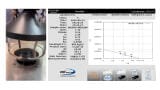
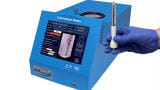
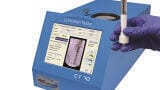
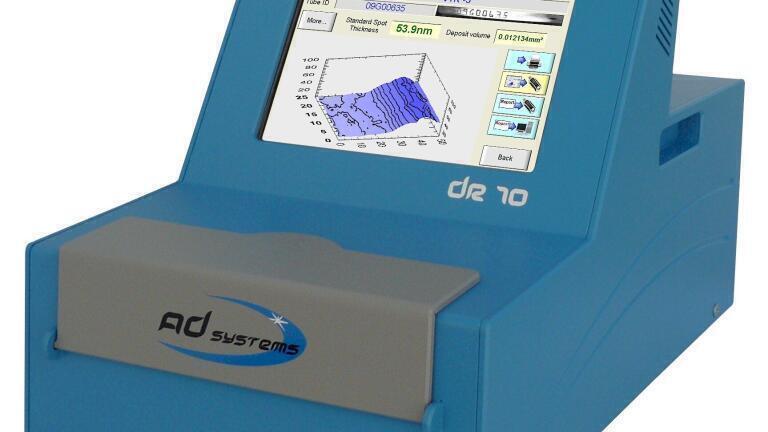
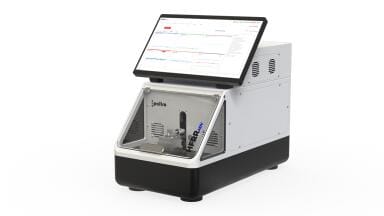
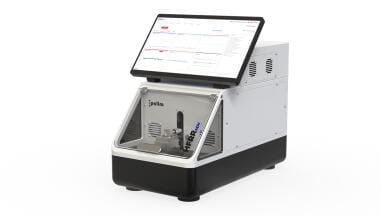
A new instrumental method of quantitative measurement of tube deposits has been developed. The thickness of the deposit is accurately determined by an automatic instrument eliminating test subjectivity. The innovative instrument uses an interferometry technique for precise measurement of deposit thickness in nanometers. The operation is based on a powerful light source, a spectrometer with fibre optic probe, and specially designed application software. Precise thickness measurements are taken at 1,200 points along and around the tube surface. A detailed test report is ready in less than 15 minutes.
The new method has been recently evaluated with an extensive inter-laboratory study. Over 115 different tubes were tested with 11 different instruments.
A new IP method was written and approved, the IP 597. During the last ASTM Meeting held in June 2012, the Subcommittee J03 voted to accept inclusion of this technique as an Appendix in the current ASTM D3241. The modified method should be balloted in the fall of 2012.
PIN 27.4 Aug/Sept 2026



 Product directory


.jpg)










.jpg)


.jpg)