Sulphur analysis
Published over 13 years ago. See the latest and most current information on Sulphur analysis.
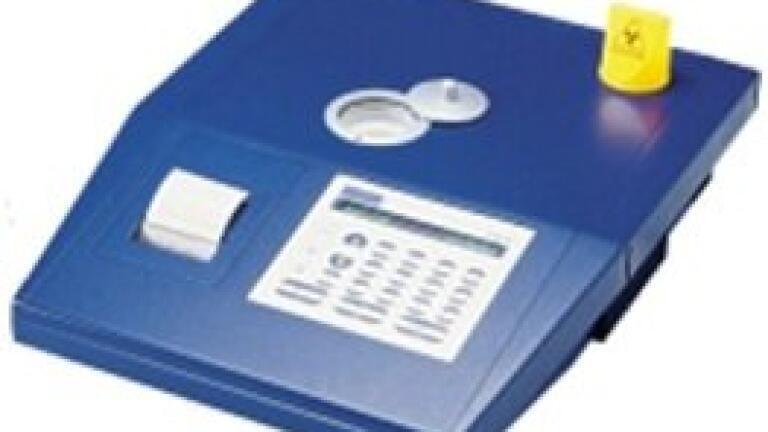
Wherever sulphur analysis is required to meet international test methods such as ASTM D4294 and ISO13032, Oxford Instruments (UK) provides field proven, compact, cost-effective X-ray fluorescence (XRF) analysers.
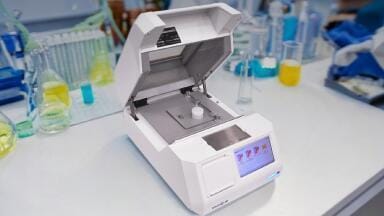
The world renowned Lab-X3500 sulphur analyser is found in refinery laboratories, testing houses, terminals, mobile laboratories; in fact anywhere where rapid, simple sulphur analysis is required.
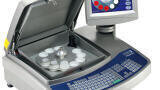
The benchtop X-Supreme8000 allows sulphur analysis from a few ppm to 5% plus the ability to measure other elements such as Cl in oil Ni, V in fuel oil and Pb in gasoline etc.
It comes with an integrated 10 position sample carousel for minimum bench space and unattended operation.
Both analyses are often used on a 24/7 basis by shift personnel allowing confirmation of product specification. Their rugged and robust design is ideal for harsh environments; their sealed membrane keypad is resistant to dust, oils, solvents etc. Lab-X3500 and X-Supreme8000 come with a secondary easy-to-change safety window. This window protects the instruments for liquids/power analysis in the event of sample leakage, providing trusted, successful analysis, year after year.
PIN 27.4 Aug/Sept 2026



 Product directory


.jpg)











.jpg)