Safety
Published over 15 years ago. See the latest and most current information on Safety.
Properly installed, reliable gas detection can help prevent chlorine-related injury or death. In the workplace where chlorine is part of the process, fixed gas detection is the first line of defense for early warning of chlorine leaks and for changes to specific processes to stem and stop the leak.
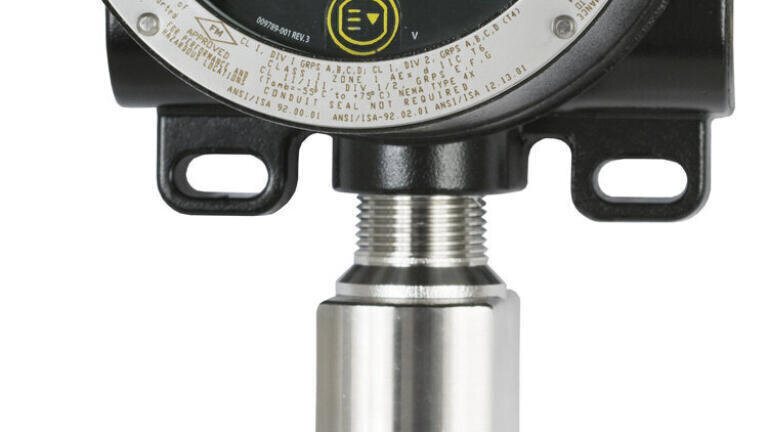
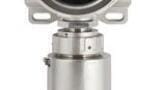
Detector Electronics’ (USA) GT3000 chlorine gas detector’s electrochemical cell has a range of 0-10ppm and performance verified to FM6340. The GT3000 can be installed as a stand-alone device with 4-20mA output with HART protocol, local LED indicators, and magnetic calibration. Or the sensor/transmitter can be combined with a local or remote display, such as the Det-Tronics’ FlexVu Universal Display.
Detector Electronics offer a new application note which illustrates considerations for detecting chlorine gas in a wide variety of applications.
PIN 27.4 Aug/Sept 2026


 Product directory


.jpg)
















.jpg)