Safety
Published over 12 years ago. See the latest and most current information on Safety.
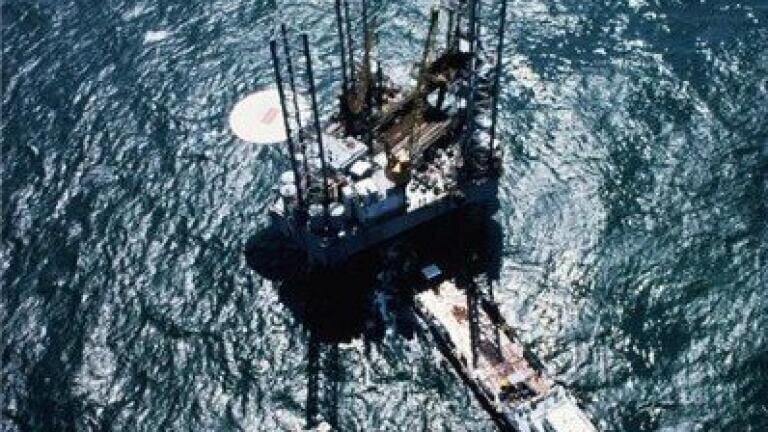
An oil and gas leak at a North Sea platform led to it being shut down for a day over the weekend. The Statfjord A platform on the Statfjord oil field was shut down on Saturday (December 28th) and was partially evacuated due to the leak, according to the operator, Statoil.
The leak occurred on a platform that is part of one of the biggest oilfields in the North Sea, which borders both British and Norwegian waters. It was reported at around 4.40pm GMT on Saturday, resulting in half of the 1,668 staff onboard the platform being evacuated by helicopter. The staff were taken to the other two platforms on the oilfield while the gas and oil leak was dealt with. No injuries were reported.
According to Kjetil Visnes, a spokesperson for Statoil, the leak had occurred about ten minutes before it was reported. The quick action taken by staff on the platform meant that operations had been normalised by 6.20pm, allowing for staff to return to the platform.
The spokesperson did not reveal the extent of the leak or how much oil and gas were produced by the platform when it occurred; however, operations and output were resumed the day following the leak. None of the other platforms had been affected by the incident and continued to run as normal. The spokesperson told Reuters that there is currently no evidence that the leak reached the sea but an investigation was being carried out to ensure this was the case.
This is the second leak that has been experienced by the oilfield this year. The Statfjord B platform experienced a leak of drilling fluids and chemicals from one of its wells in October. This leak saw around 345 cubic metres of chemicals leak. As a result of this spill, Statoil has said it will be implementing new safety measures to reduce the chances of future leaks.
The oil field, which is due to be decommissioned in 2020, produced around 129,000 barrels per day throughout this month (December), equating to around four million barrels for the entire month, according to loading schedules compiled by Reuters. It is expected to produce the same amounts throughout January.
PIN 27.4 Aug/Sept 2026


 Product directory


.jpg)




















.jpg)