Safety
Published over 7 years ago. See the latest and most current information on Safety.
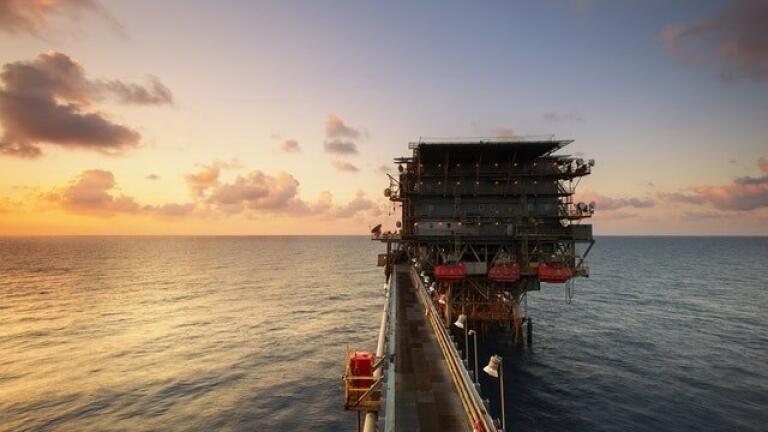
While Newfoundland and Labrador usually garners attention for postcard-perfect fishing villages and stunning seascapes, the Canadian Province has recently landed itself in the headlines for an enormous oil spill that could pose a serious threat to the local ecosystem. The disaster saw Husky Energy’s SeaRose platform spill 250,000-litres of oil into the North Atlantic Ocean, an incident that the company blamed on a fierce wind storm that ruptured a "weak link" in a subsea flowline.
While authorities were quickly notified, the Canada-Newfoundland and Labrador Offshore Petroleum Board has confirmed that no sheens were detected on the surface of the water a few days after the spill. This indicates the oil has already started to break down and will be impossible to clean up. The board is now focusing on monitoring wildlife and launching an investigation into the incident, which has already affected over a dozen seabirds.
It's not the first time Husky Energy has landed itself in hot water, with a recent investigation finding that it failed to disconnect the SeaRose as it approached a large iceberg in 2017. The investigation ruled that not only did the company risk spilling 340,000 barrels of crude oil, but it also jeopardised the lives of the 84 workers onboard.
Provincial regulation of the offshore oil industry is front of mind, with concerned politicians and residents calling for the government to reassess how Newfoundland and Labrador prioritises both environmental and worker safety. While all other local rigs shut down operations in the face of the wild weather, Husky Energy attempted to resume production. This has raised questions over the company's commitment to its environmental responsibilities, as well as the safety of the workers onboard.
Husky Energy was quick to deny any misconduct, releasing a statement saying it was “in the process of resuming operations as conditions returned to normal operating parameters, and after safety checks were completed.”
Considering the company's previous safety breach, the case has been labelled as “serious and significant” and could have major repercussions for the Canadian-based integrated energy company.
“Absolutely, any regulatory agency would look at the track record of a company in a case like this and this will certainly be no exception,” says Scott Tessier, chief executive of the Canada-Newfoundland and Labrador Offshore Petroleum Board.
For a closer look at how engineers are working to minimise the risk of spills don't miss 'Thermal Imaging Provides Early Leak Detection in Oil and Gas Pipelines.
PIN 27.4 Aug/Sept 2026



 Product directory


.jpg)




















.jpg)