Safety
Published over 12 years ago. See the latest and most current information on Safety.
Bacteria could be used to stop natural gases being released into the atmosphere from both man-made and natural leaks. The gases can effectively be 'mopped up' by the bacteria, helping the fight against climate change, according to research from the University of East Anglia.
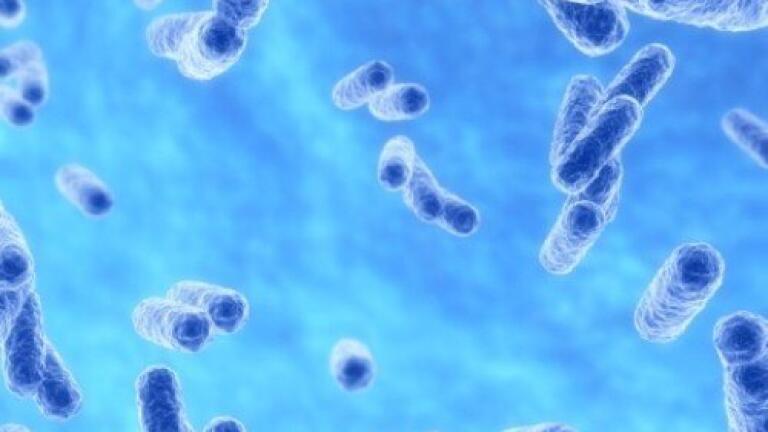
Published in the journal 'Nature', the study has found that a single strain of bacteria called Methylocella silvestris can grow on natural gases. The bacteria strain is found in soil and a number of other environments around the world and has the ability to grow on propane and methane that is found in natural gas.
Original theories suggested that different groups of bacteria held the ability to metabolize gaseous alkanes, however; the new discovery means that a single bacterial strain could be cultivated to clean up leaking natural gas components and reduce air pollution.
The reduction in methane leaks could also make some activities, such as fracking and natural gas storage, much safer. This means that fracking could be more efficient in the future and that the air can be purified following oil leaks.
The bacterium Methylocella is usually found in tundra, forest soils and peat throughout Northern Europe. Following the Deepwater Horizon BP oil spill of 2010, the bacterium was also found within the microbial community.
Professor Colin Currell, lead researcher from the University of East Anglia's school of Environmental Sciences, said: “Natural gas from geological sources contains methane, as well as substantial quantities of ethane, propane and butane.
“We have shown that one microbe can grow on both methane and propane at a similar rate. This is because it contains two fascinating enzyme systems which it uses to harness both gases at once.
“This is very important for environments exposed to natural gas, either naturally or through human activity. These microbes may play an important role in mitigating the effects of methane and other gases before they have a chance to escape into the atmosphere."
The findings of the study could help to inform land use management plans, as an environment that is rich in the microbes could be particularly beneficial to areas that have high releases of methane and propane, he continued.
PIN 27.4 Aug/Sept 2026


 Product directory


.jpg)












.jpg)