Safety
Published over 11 years ago. See the latest and most current information on Safety.
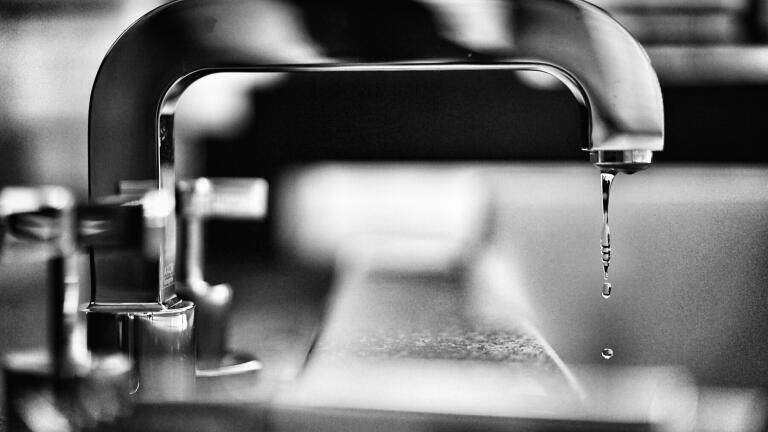
Since its widespread use in the United States over the last decade, fracking has garnered much criticism from opponents who deem it unsafe for the environment. Chief among their concerns are the worry that it could cause earthquakes and lead to the escape of natural gas – but there is no bigger worry than that it could contaminate groundwater supplies, leading to unsafe drinking water.
Proponents of the practice such as Chris Faulkner have attempted to downplay such fears and stress the vast potential of fracking energy sources. However, recent developments in Pennsylvania have delivered fracking its biggest body blow to date.
The damning incident took place near a small stream in southeast Bradford County in Pennsylvania. Back in 2009, a gas company drilled five sets of two wells a little more than a mile from the stream. Over the ensuing years, three families complained of natural gas vapours and sediments in their drinking water, and successfully won a litigation battle against the company.
However, more serious concerns have been unearthed via alternative methods of testing. Whereas previous investigations only uncovered evidence of methane in the water, the highly-sensitive technique of gas chromatography mixed with mass spectrometry (GC-MS) has detected the presence of 2-n-Butoxyethanol, as well as another unidentified compound. These chemicals came to be there either from the drilling process itself – in which a leak was reported – or, more concerningly, during subsequent fracking operations.
Either way, the findings of GC-MS reveal that the chemicals were able to travel almost 2km and infiltrate the water supplies of three families, thus putting their health at risk. “More studies such as ours need to be disseminated to the general public to promote transparency and to help guide environmental policies for improving unconventional gas development,” said Garth Llewellyn, principle author of the paper.
Fracking has already had a rough year in the media spotlight. In April, New York Governor Andrew Cuomo decided to enforce a state-wide ban on the practice, citing concerns about the environmental impact it could have. He also stated that the economic pay-off of taking such a risk was not as high as previously anticipated, and as such, not a viable avenue in which to pursue alternative energy sources.
Meanwhile, Scotland made a similar move earlier this year, blocking the use of fracking in its border indefinitely. The Scottish Energy Minister Fergus Ewing called for more thorough research into its dangers and potential consequences before endorsing it, saying: “There is overwhelming public opinion in favour of cleaner forms of energy and a sufficient body of evidence why unconventional oil and gas are neither good for people or the planet.”
The Scottish stance on fracking is in direct opposition to the one formally adopted by the UK government, who appear to employ it as quickly as possible in order to maximise the profits from the business. Clearly, the study published in the Proceedings of the National Academy of Sciences by Llewellyn and his colleagues offers food for thought for any considering to adopt the practice in the near future, and confirms the possibility of water contamination as a result.
PIN 27.4 Aug/Sept 2026



 Product directory


.jpg)















.jpg)