Measurement and testing
Published over 14 years ago. See the latest and most current information on Measurement and testing.
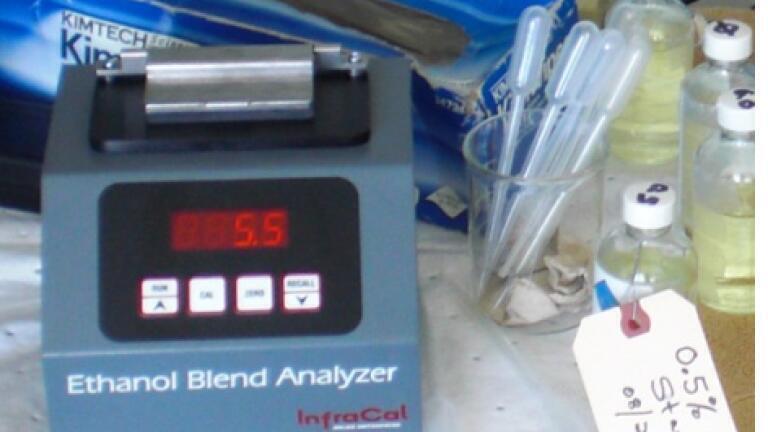
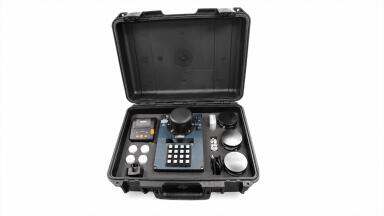
The use of ethanol as a gasoline additive has increased dramatically over the past few years and will likely continue to increase. For fuel blenders, this means an added challenge to avoid an incorrect blend that could lead to regulatory fines, loss of customer confidence and damage to equipment. A quick on-site analysis with a portable mid-infrared based analyser, such as the Wilks InfraCal Ethanol Blend Analyser as shown in the photo, can help fuel blenders quickly flag out-of-spec product and ensure the final blend meets specifications.
The four most common reasons for incorrect fuel blends are described below, highlighting how essential a quick check of the fuel blend can be.
1. Mechanical failure of blending equipment
The majority of ethanol fuel is blended at a fuel terminal using a loading rack. While blending systems at fuel terminal loading racks are considered quite reliable, they are never fool proof and neither are the operators who make the adjustments. Too much or too little ethanol could be loaded into the tank truck without being detected at the rack and ultimately make its way to the consumer. Having the capability to quickly check the blend at the loading rack ensures correct deliveries and avoids delays caused by waiting for results of samples sent to a centralised laboratory for measurement.
2. Multiple bay loading rack issues
Multiple bay fuel loading racks can experience variations in the flow rates of the ethanol and gasoline due to sudden pressure changes as one of the tank trucks begins or completes filling. If the blending equipment is not properly set up to compensate for these flow rate changes by maintaining a set pressure in the main header, the resulting blend ratio can be different than expected. An on-site test takes less than 5 minutes and will provide the added assurance that the fuel blend in the tank trucks is correct.
3. Ethanol denaturant level variations
Even in a situation where the blending equipment is working properly, other factors can affect the final blend percentage. One of the most notable is the variation in the denaturant level of the ethanol. The denaturant is usually natural gasoline, and is typically blended at 5%. If this percentage differs from the expected level, the contribution of the denaturant to the ethanol blend ratio will not be correctly compensated and result in an incorrect blend. Again, an easy on-site check of the blend quickly identifies any inconsistencies.
4. Ethanol and gasoline expand when mixed
Another cause of uncertainty in the final blend level is due to the fact that when ethanol and gasoline are blended, the total volume will expand. For example, a mix of one hundred gallons of ethanol added to 900 gallons of gasoline will add up to more than 1000 gallons of blended fuel. Consequently, without some way to actually test the fuel blend at the rack, simple proportional blending could lead to an incorrect blend calculation.
Portable Infrared analysers offer a simple, accurate and low cost solution to on-site blend testing. Should any of the situations described above occur at the blending rack, the resulting costs of an incorrect blend can far out way the modest cost of an on-site ethanol blend analyser. With many already in use at petroleum terminals and by regulatory agencies, the InfraCal Ethanol Blend Analyser has proven to be a reliable tool to ensure fuel blend accuracy.
PIN 27.5 Oct/Nov 26


 Product directory


.jpg)












.jpg)




.jpg)