Measurement and testing
Published over 17 years ago. See the latest and most current information on Measurement and testing.
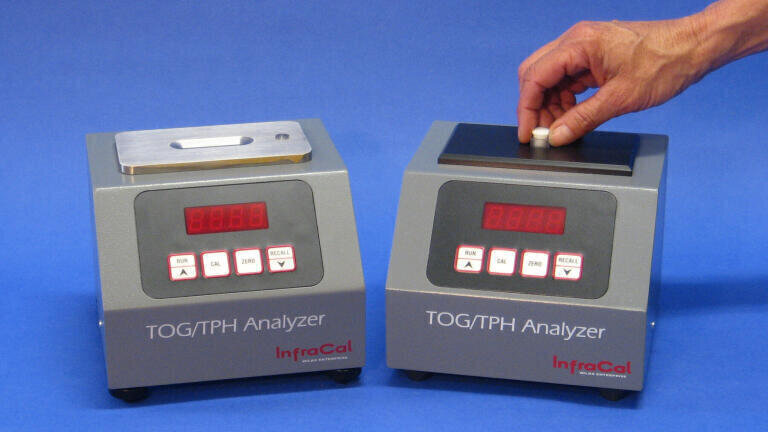
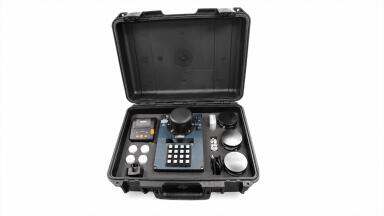
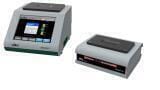
Determining total oil/grease levels to ensure compliance with governmental permit requirements for discharging wastewater is a worldwide problem facing numerous industries. To ensure compliance with regulations and avoid fines for exceeding permit discharge levels, more frequent wastewater measurements are necessary to determine the total oil/grease concentration. Wilks Enterprise, Inc. (USA) manufactures portable infrared analyzers that are specifically designed for easy, on-site measurement of the oil/grease concentration.
With the InfraCalTOG/TPH Analyser, Model HATR-T2 or the Model CVH – depending on the solvent selected for the extraction process – on-site measurement of total oil/grease concentration in the wastewater is easily and accurately determined in 10-15 minutes – including extraction process. Measurement data obtained with the Model HATR-T2 correlates to EPA Method 1664 and with the Model CVH to ASTM Method D 7066-04. The InfraCal Analysers currently being used for analyzing produced water on offshore oil platforms, monitoring refinery or industrial plant wastewater effluents, as well as measuring fats, oils, and greases (FOG) discharge levels into treatment centres.PIN 27.5 Oct/Nov 26

 Product directory


.jpg)








.jpg)


.jpg)