Measurement and testing
Published over 10 years ago. See the latest and most current information on Measurement and testing.
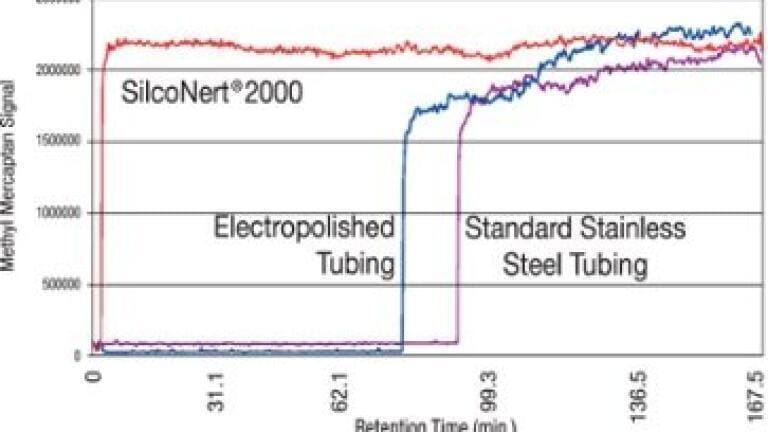
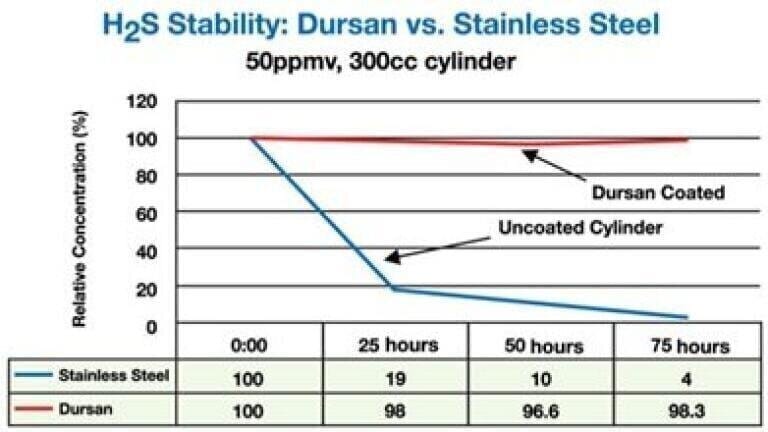
The need to measure trace (ppm or lower) sulfur, mercury, and other emissions is substantial and growing worldwide. However, the stainless steel flow paths of instruments used to measure these compounds are not suited for such low-level sampling. SilcoNert®- and Dursan®- coated instrument flow paths produce virtually instant readings with superior accuracy because critical compounds will not adsorb to the inert-coated surfaces.
Even electropolished flow paths take well over an hour to produce a signal without inert coatings. With them, analysts can start to see results within seconds of injecting the sample. This saves tremendous costs in the form of higher daily sample throughput, less labour, and compliance to environmental regulations.
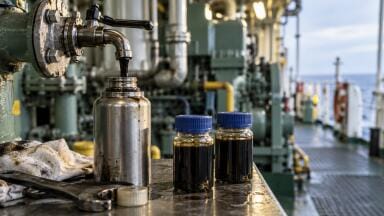
The benefits of inert coatings aren’t just limited to better instrument performance. Collecting samples off-site once entailed a frantic race to the lab to test them before important molecules were scavenged by the metal sample storage vessels. With SilcoNert- and Dursan- coated sampling equipment, trace-level samples can be adequately maintained for as long as two weeks without loss.
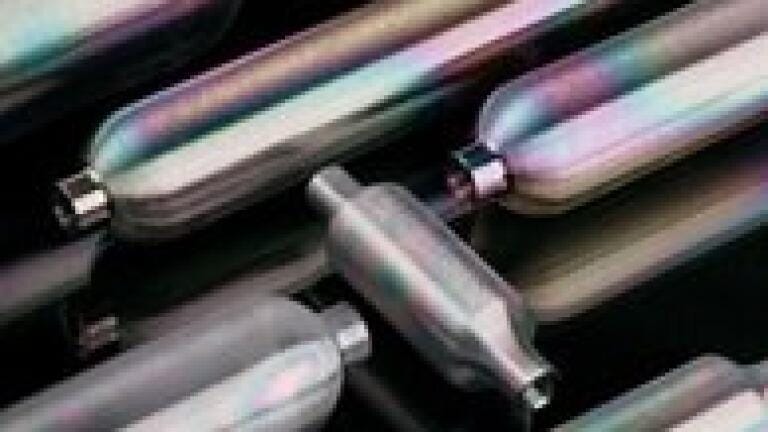
SilcoTek coatings offer the chemical resistance/inertness of PTFE but dramatically improved durability, temperature resistance, and adhesion. A SilcoTek coating can be used at 450°C and sometimes greater, whereas PTFE is destroyed above 230°C. SilcoTek’s innovative chemical vapour-deposited (CVD) treatments are bound molecularly to the substrate so they won’t flake, even on tubing that is bent or flexed.
Trust SilcoNert® and Dursan® coatings for any analytical application to:
Want to learn more? Click here to view SilcoTek’s 'Improving Sampling Reliability and Corrosion Resistance' white paper or visit their website.
PIN 27.4 Aug/Sept 2026



 Product directory


.jpg)











.jpg)