Measurement and testing
In oil and gas plants and refineries, heat isn’t an occasional nuisance; it’s often part of the job. Whether it’s valve position monitoring in a refinery or actuator feedback in a processing plant, equipment is expected to operate reliably in environments where temperatures can reach 200°C. At those levels, not every sensing technology is well-suited to the task.
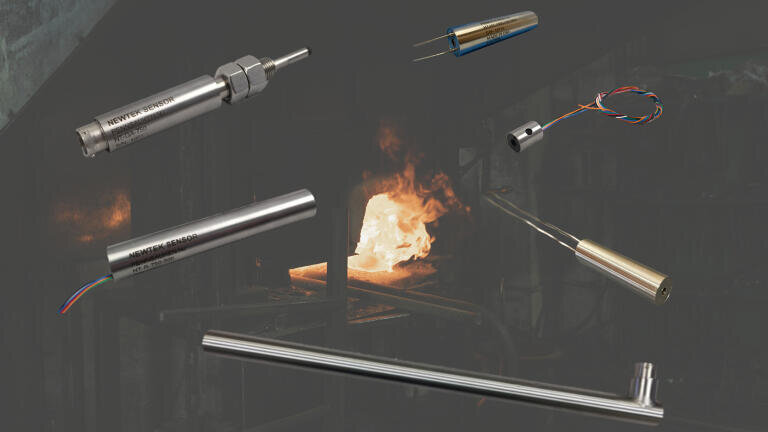
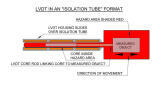
NewTek has taken a pragmatic approach to the problem. Its AC-operated LVDT position sensors are built without microelectronics at the sensing point itself. That matters in hot zones, where embedded electronics can be the first thing to suffer from long-term exposure. By keeping the sensing element simple and moving the signal processing elsewhere, the design avoids many of the thermal drift and reliability issues that can affect other technologies.
The associated NTC LVDT signal conditioners sit outside the heat-affected area, powering the sensor and converting its low-level AC signal into a usable DC voltage, current or digital output for plant control systems. In practical terms, that means the sensitive electronics are kept away from the harshest conditions, while operators still receive stable, accurate position feedback.
For oil and gas operators, standard products do not always fit standard problems. Space constraints, legacy equipment and demanding mechanical layouts often call for something more tailored. NewTek supplies these high-temperature sensors in custom strokes, housings and mounting configurations, using materials suited to elevated temperatures and challenging process conditions. The result is a position-sensing solution designed around the installation, rather than the other way round.
In high-temperature oil and gas environments, reliability is rarely about innovation for its own sake. It is about dependable measurement, day in and day out. Sensors that can withstand sustained heat without relying on vulnerable in-situ electronics offer a practical way to maintain control where it matters most.
PIN 27.4 Aug/Sept 2026



 Product directory















.jpg)





.jpg)