Measurement and testing
Air pollution remains one of the most pressing environmental challenges in Europe, with Volatile Organic Compounds (VOCs) playing a critical role in the formation of ground-level ozone and secondary particulate matter — pollutants known to negatively impact human health and the environment. Monitoring these compounds in ambient air has therefore become essential for understanding emission sources, supporting public health strategies, and informing air quality policies.
In response to this need, the European Union has introduced a new legislative framework: Directive 2024/2881, adopted on October 23, 2024. This directive strengthens air quality objectives across member states, setting the path towards a “zero pollution” vision.
It requires more detailed and continuous monitoring of VOCs as ozone precursors, specifying a list of target compound families to be measured, including alcohols, aldehydes, ketones, alkanes, alkenes, aromatics, and biogenic terpenes. These compounds must now be quantified at trace levels, using techniques capable of speciation.
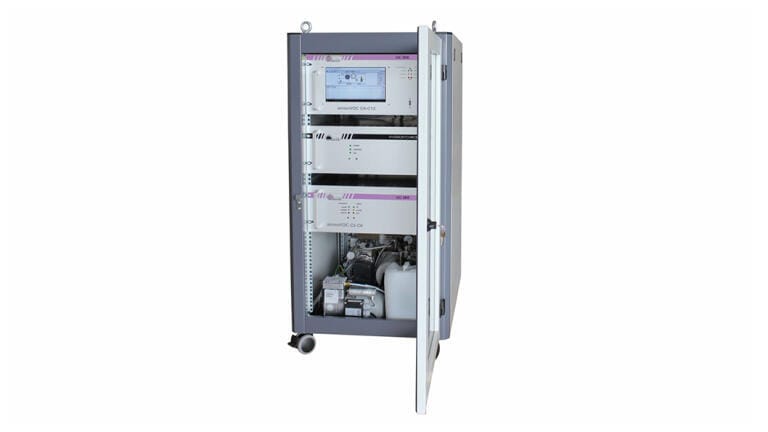
To support stakeholders in meeting these new regulatory demands, CHROMATOTEC® offers robust, autonomous, and field-proven analytical solutions for VOCs speciation in ambient air. Easily integrated into existing air quality monitoring networks, CHROMATOTEC’s solutions enable environmental agencies and monitoring operators to align with the objectives of Directive 2024/2881—delivering accurate, real-time VOCs data for better air quality management across Europe.
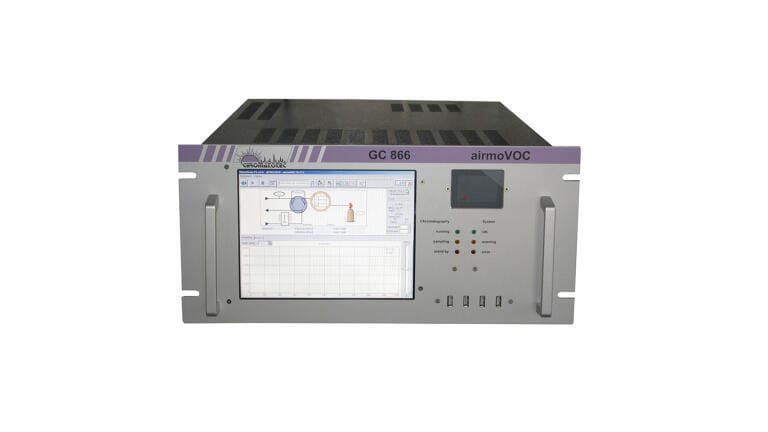
The airmoVOC range is designed for the measurement of BTEX and VOCs, including light volatile and semi volatile hydrocarbons, (C2C6, C3C10, C6C20), heavy volatile hydrocarbons, PAMS and BTEX included and halogenated compounds – TO14 (C6C12), light S VOCs and heavy S VOCs such as linear alkanes and gaseous PAHs (C10C40), light oxygenated VOCs (C1C3), 1.3 butadiene.
Our systems are designed for continuous online monitoring, capable of detecting targeted compounds down to parts-per-trillion (ppt) concentrations. Equipped with automatic identification and validation features, they minimise human intervention while ensuring high data reliability and regulatory compliance.
PIN 27.4 Aug/Sept 2026



 Product directory


.jpg)














.jpg)