Measurement and testing
Published over 11 years ago. See the latest and most current information on Measurement and testing.
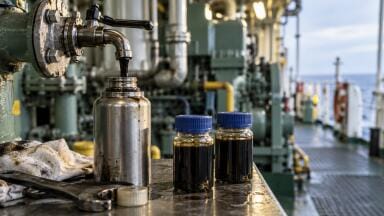
Crude Oil contains unwanted contaminants that must be removed before refining, such as salt and other contaminants: KCl potassium chloride , NaCl, MgCl, CaCl, sand, drilling mud and paraffin waxes.
These contaminants are removed by electrolysis with the 5-9% addition of water, which require pH installations for the monitoring of desalter wash waters and brine effluent waters.
These can both prove challenging. The wash waters have a pH 5.5 - pH 7.00 contaminated with Ammonia and Phenols Temperatures can > 100 C, and the brine effluent waters contain sulphides, heavy metals, and oil - this cocktail is often very abrasive. Electrode fouling and poisoning is a risk.
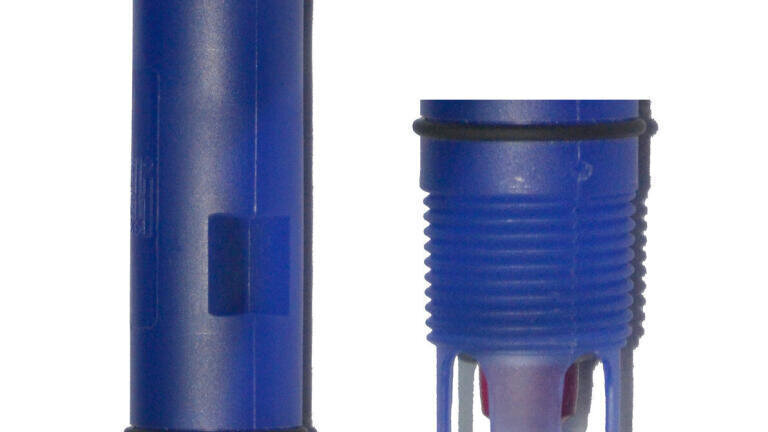
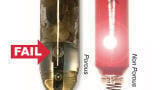
The Refex (USA) / pH combined and separate electrodes have the new and patented NON-POROUS ionically conductive interface that separates the wash and brine effluent waters from the electrode's Ag/AgCl reference half cell and KCl electrolyte. This is 100% resistant to H2S/Ammonia poisoning and electrode fouling.
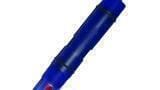
The recommended Refex EC-3/4-2001-Pt1000-LE ( 1m, 3m,5m,10m cable options) all in one combined electrode with 3/4" NPT process fitting gives fast responses to pH change, and combine a long-life with chemical savings (No over-shoot beyond pH High/Low set points), resulting in big savings for your operation.
PIN 27.5 Oct/Nov 26


 Product directory


.jpg)




.jpg)


.jpg)