Measurement and testing
Published over 13 years ago. See the latest and most current information on Measurement and testing.
Fuel Contaminant Monitoring
Often, color changes are a signal for contaminations in fuels. Detecting these contaminants directly inline allows operators to redirect the process for further refining or re-distillation. Installing multiple inline color sensors throughout the refinery can also be beneficial in locating the sources of contaminations.
Petroleum Product Color
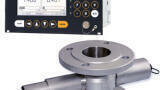
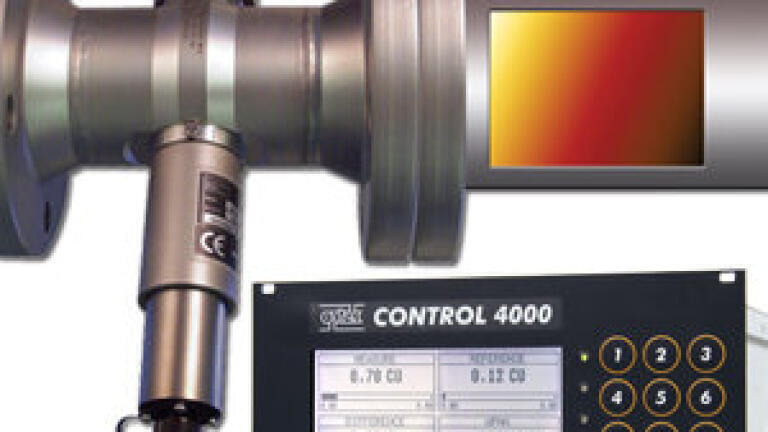
The petroleum refining and petrochemical industries rely on Saybolt and ASTM color scales (among others) to quantify product quality. optek inline Saybolt and ASTM sensors allow refineries, pipeline companies and storage facilities to measure and monitor these color values directly in the pipeline.
Color Measurement
optek AF26 dual channel sensors compensate for background turbidity or other media constituents automatically using a secondary wavelength. The primary wavelength usually detects color and background turbidity, whereas the secondary wavelength only detects background turbidity or other media constituents. Subtracting the absorption signal of the reference channel from the primary channel gives a compensated signal that is then correlated to any color scale, independent of background interference.
Phase Separation
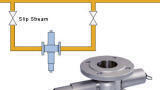
Using real-time data provided by optek AF26 inline color sensors, pipeline operators are able to cut product or detect product interfaces precisely. This monitoring ensures that fuels are not downgraded by intermixing of low quality products. Throughout the entire production process including terminalling facilities, fuel color can be monitored in order to ensure specifications and minimize product losses.
Benefits
For more information view our Top 5 Petro Applications brochure
or Application Notes • Trace Lube Oil in Cooling Water • Heat Exchanger Leak - Carryover Detection (Oil In Water) • Fuel Analysis: Water Detection in Jet Fuel, Diesel Fuel & Gasoline • Naptha Quality
PIN 27.4 Aug/Sept 2026


 Product directory


.jpg)













.jpg)