Measurement and testing
Published over 11 years ago. See the latest and most current information on Measurement and testing.
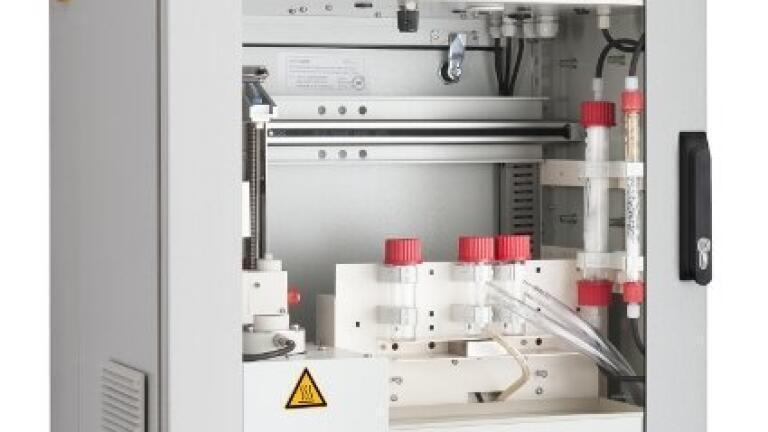
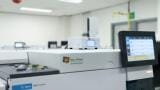
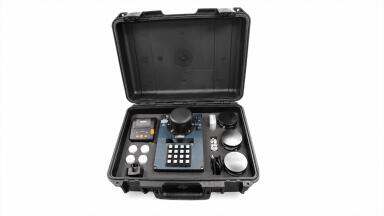
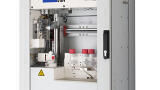
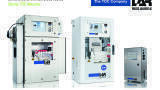
LAR Process Analysers, Germany, offers an outstanding High Salt Option for the Ultra-series (QuickTOCultra, QuickCODultra, QuickTONultra). These online analysers are especially designed for the determination of total organic carbon (TOC), chemical oxygen demand (COD), and total nitrogen bound (TNb) in water.
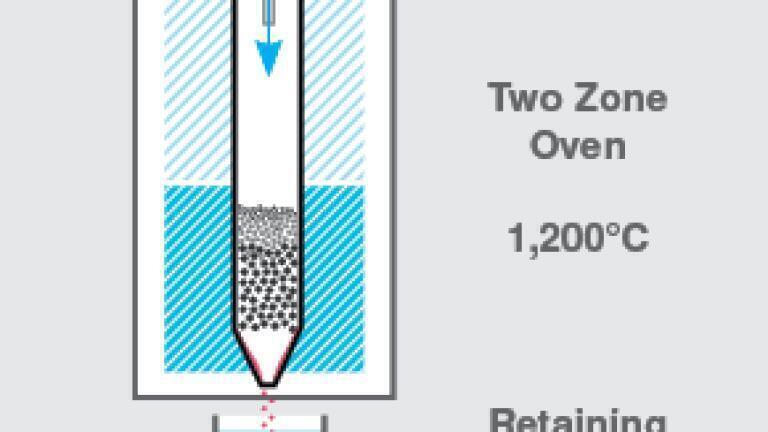
LAR's high salt option is based on the unique non-catalytic thermal combustion method at 1,200 °C. At this high temperature salts are completely melted and led out of the oven in fluid form by the condensate. Afterwards, the melted salts are collected in a special designed reactor foot, from which they can be easily disposed of. As a result, blockages and defective reactors belong to the past.
When using the high salt option, a special reactor will be installed within the oven. Due to its special construction, raw water samples with a salt content of up to 300 g/l NaCl (30%) can easily be measured. Hence, no dilution or sample pretreatment is necessary.
Through the special process management and optimized reactor construction of LAR's High Salt Option lengthly downtimes and high following costs are minimized.
At a Glance:
PIN 27.5 Oct/Nov 26

 Product directory


.jpg)









.jpg)

.jpg)