Measurement and testing
Published over 6 years ago. See the latest and most current information on Measurement and testing.
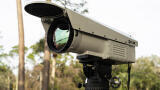
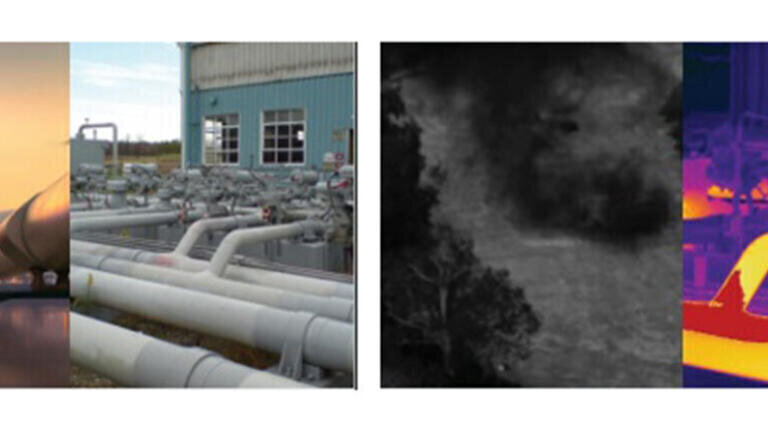
FLIR Systems has published a new application spotlight that highlights the role its Optical Gas Imaging (OGI) cameras are playing in detecting gas leaks from oil and gas pipelines.
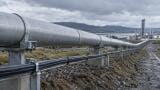
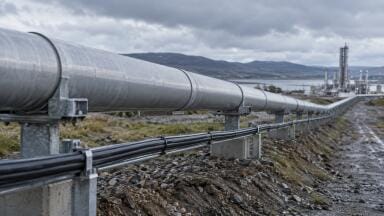
Oil and gas pipelines often stretch long distances, carrying a variety of materials. Sometimes the pipes fail, resulting in liquid leaks or fugitive emissions of gas releasing into the environment. Through routine inspections, leaks may be caught early-but this is challenging to accomplish when there are many miles of pipelines in a system, and they are often in remote locations. Oil and gas companies need the flexibility to clearly identify pipeline leaks remotely and with live inspection personnel on-site.
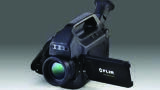
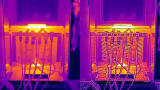
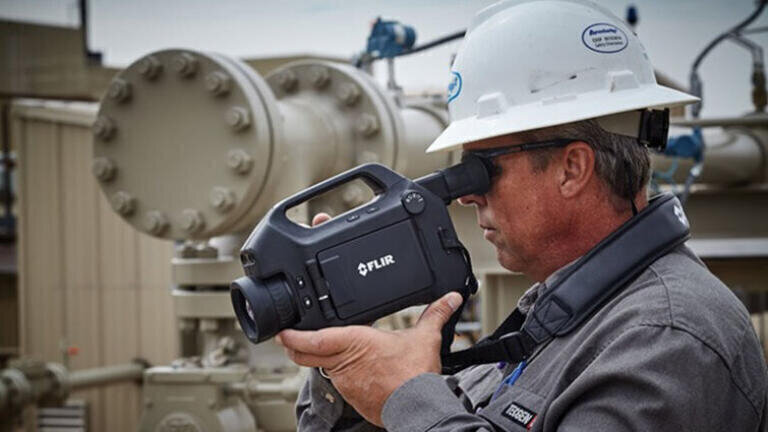
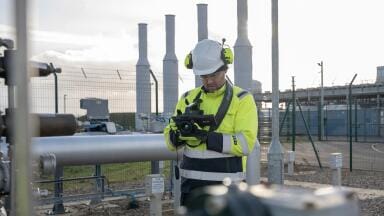
Thermal imaging technology makes it possible to quickly inspect pipelines for leaks, onsite or offsite. With a handheld thermal camera, such as the FLIR GF620, maintenance teams can complete onsite inspections for temperature problems and hydrocarbon gas emissions. For remote inspections of pipelines, an unmanned aerial vehicle - or drone allows operators to easily inspect both above ground and buried pipelines.
The application spotlight describes how oil and gas technicians and engineers are identifying leaks day and night using FLIR handheld thermal imagers or drone-mounted payloads. A handheld thermal imager is the easiest way to inspect pipelines in locations contained with a large facility. For pipelines in remote locations, a drone-mounted FLIR solution offers the most efficient results. It not only allows a quick and thorough inspection of the pipeline, but also enables the user to quickly assess the information and relay issues to a control room for corrective action. Real-time streaming can also transmit visual and thermal data immediately to control room operators for fast corrective actions.
PIN 27.4 Aug/Sept 2026


 Product directory


.jpg)





.jpg)