Measurement and testing
Published over 6 years ago. See the latest and most current information on Measurement and testing.
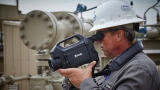
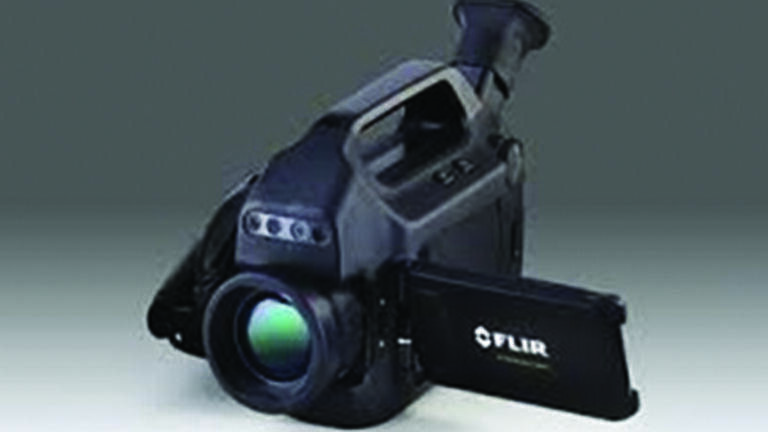
FLIR Systems reports how its GFx320 Optical Gas Imager is safely and efficiently enabling oil and gas producers to undertake routine, non-invasive inspections in their oil and gas separators.
Oil and gas producers use separators, which are pressure vessels, to separate a well stream into gaseous and liquid components. During this process, sand can build up in the heating element, causing damage to the separator. If this build-up is not noticed and promptly removed, it may result in the emission of flammable gases, costly repairs or catastrophic failure. Traditionally oil and gas separators have been inspected by hand or cleaned out on a routine basis without evaluation. While this process provides basic maintenance, it does not provide the early detection required to identify mechanical or safety issues.
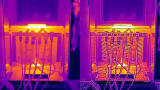
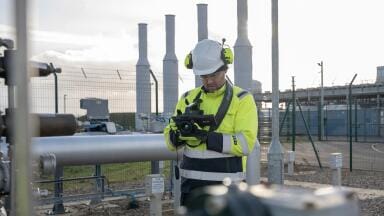
A variety of devices can be used to inspect oil and gas separators to verify tank pressures and liquid levels however, use of thermal imagers are one of the safest and most efficient solutions. The FLIR GFx320 optical gas imager can be used to visualize natural gas leaks and sand levels as the camera shows changes in temperature from sand versus oil, gas, and water. The GFx320 is certified for use in Class 1: Division 2 or Zone 2 locations, allowing the user to get close to the unit for a thorough, but non-invasive inspection.
Increasingly, oil and gas producers using separators are turning to thermal imaging to help their maintenance professionals determine which separators to clean out and which ones are operating efficiently. Considering the cost of a replacement separator and lost downtime, a GFx320 optical gas imager’s return on investment is high. Using the GFx320 for routine inspection of oil and gas separators is allowing oil and gas companies to not only verify tank pressures and liquid levels, but also detect leaks from the separator, resolve anomalies to restore compliance, avoid adverse environmental impact, and prevent safety risks to equipment or personnel.
More information online
PIN 27.4 Aug/Sept 2026


 Product directory


.jpg)

.jpg)