Measurement and testing
Published over 10 years ago. See the latest and most current information on Measurement and testing.
Polycyclic Aromatic Hydrocarbons (PAHs) are a group of over 100 different chemicals that are known to be formed typically during incomplete combustion of organic matter at high temperature. Their major sources in the atmosphere include industrial processes, vehicle exhausts, waste incinerations, and domestic heating emissions. Due to their carcinogenic/mutagenic effects, 16 PAHs are currently listed as priority air pollutants.
Actual analytical methods dedicated to monitor PAHs require multistep sampling preparations and are not suited for continuous monitoring. Automatic Thermal Desorption-Gas chromatography equipped with flame ionisation detector is the standard method for the monitoring of volatile and semi-volatile hydrocarbons (MCERTs 2012). This technique is capable of continuously identifying and quantifying hydrocarbons from ethane to naphthalene.
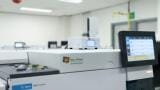
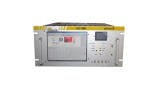
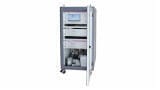
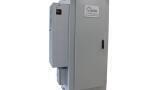
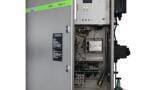
Chromatotec (France) has developed a new and simple method for sampling and determination of PAHs in gas and solid phase in air by using the thermal desorption technique followed by gas chromatography equipped with two detectors: a flame ionisation detector and a mass spectrometer. With cycle times of 1 hour, the system is perfectly suited for the continuous monitoring of PAHs from ppq to ppb levels, especially for industrial process characterisation and optimisation.
PIN 27.5 Oct/Nov 26

 Product directory


.jpg)



.jpg)

.jpg)