.jpg)
Measurement and testing
Published over 7 years ago. See the latest and most current information on Measurement and testing.
Laboratories across the world are making changes to keep up with the growing need for sustainability. According to a Lab Manager study, laboratories consume around 4-10 times more energy, water and other materials than offices and classrooms. In fact, the labs at the University of Colorado Boulder accounted for a whopping 43% of the campus’ total energy consumption, despite occupying just 20% of total space.
In order to reduce the energy consumption of labs around the world, academic institutions have begun to encourage resource conservation and promote sustainable research, through the introduction of green labs. A green lab aims to reduce water, energy and material use, minimising toxic and hazardous waste. Overall, a green lab “takes action where it can to minimise the use of resources needed for its research”, according to Kathryn Ramirez-Aguilar, a green labs programme manager at the University of Colorado Boulder.
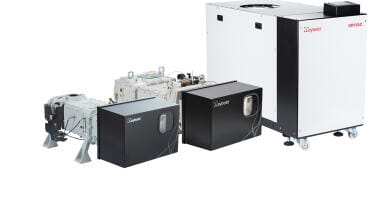
The green labs programme at the University of Colorado Boulder works closely with the 400 labs on the university campus, helping them to purchase and acquire energy efficient equipment. Naturally, laboratories often need to utilise large pieces of equipment, that can use up a lot of energy. So, the green labs programme helps these labs to find appliances, such as vacuum pumps and refrigerators, that can sufficiently meet the research needs but are more energy efficient that the current equipment.
Recently, there has been an industry-wide push to boost energy efficiencies within the lab. Many academic institutions offer financial incentives for purchasing energy-efficient equipment but reducing the footprint of labs with respect to water and energy is a major commitment. With the need for continued research using heavy equipment, Ramirez-Aguilar puts forward several opportunites “that are win-win, both for science and for conservation”, such as turning off vacuum pumps at night.
To learn more about the latest industry innovations, take a look at the ‘New Developments in Mass Spectrometry for Petrochemical applications’ e-learning video, which provides a closer look at how labs can reduce costs and maximise productivity. You can also learn more by securing a place at PEFTEC 2019, where conferences and exhibitions will take place, focusing on petroleum, refining and environmental technologies. This year’s conference is due to take place on the 22nd-23rd of May and is a great opportunity for you to discover more about industry technologies.
While green lab programmes are a great way to reduce the carbon footprint of laboratories around the world, there are a number of further steps to be taken in order to improve sustainability and protect our environment. Alan Doyle, sustainability manager at the University of California, looks forward to the better dry storage of samples, saying “I am hoping that cold storage will be managed at the institutional level”, offering sustainable research for many labs.
PIN 27.4 Aug/Sept 2026


 Product directory


.jpg)









.jpg)





.jpg)