Measurement and testing
Published over 9 years ago. See the latest and most current information on Measurement and testing.
London may be known as the Big Smoke, but over the past few years the government has been more serious than ever about shunning its dirty reputation. The Low Emission Neighbourhood scheme is the latest plan to come into action and will see diesel drivers hit with an additional £2.45 per hour to park vehicles in parts of Westminster.
The pilot scheme has now been in effect for over a month and encompasses parts of Marylebone, Hyde Park and Fitzrovia. While regular drivers pay £4.90 an hour, the Low Emission Neighbourhood scheme slams diesel drivers with a drastically increased rate of £7.35 per hour. For diesel drivers, this makes parking in downtown London ludicrously expensive.
According to the local council Marylebone suffers from some of London’s highest pollution levels. The new ‘polluter pays’ principle is designed to minimise the presence of high emissions vehicles, with profits set to be spent on initiatives to promote sustainable transport.
While it’s been slammed by some drivers the local council maintains that the scheme is simply meeting the demands of London residents.
Councillor David Harvey, Westminster’s cabinet member for environment, sports and community comments, “Residents and visitors tell us all the time that air quality is a key concern in central London and we have consulted with our partners and local stakeholders on this practical step in improving our health and wellbeing.”
Higher parking fees aren’t the only measure London is taking to clean up its act, with the city rolling out an anti-idling campaign as part of its Greener City Action Plan. Westminster council has also been actively encouraging its residents to embrace sustainable and active travel, which includes boosting the uptake of electric vehicles and promoting cycling.
Together, the hope is that these initiatives will make Londoners think twice about driving high emissions vehicles and spur a citywide adoption of cleaner transport.
According to Harvey, this “will make a real difference in the quality of air we breathe and our environment.”
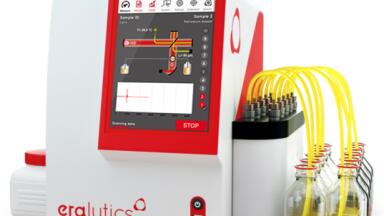
Passenger vehicles are a major contributor to air pollution, but utility vehicles are also a concern. This makes performance a top priority, with engineers continually working to improve efficiency. ‘Testing the Lubricating Oil Viscosity for Utility Vehicle Engines’ spotlights the highly precise viscometers of the SVM™ series, which empower engineers with the flexibility to gauge various samples with a single measuring cell.
PIN 27.5 Oct/Nov 26


 Product directory


.jpg)









.jpg)







.jpg)