Fuel for thought
Published over 15 years ago. See the latest and most current information on Fuel for thought.
Remote inspection service company Cyberhawk Innovations (UK) has completed the world’s first aerial inspection of a live gas flare stack at a well known Scottish oil and gas refinery using an Unmanned Aerial Vehicle (UAV).
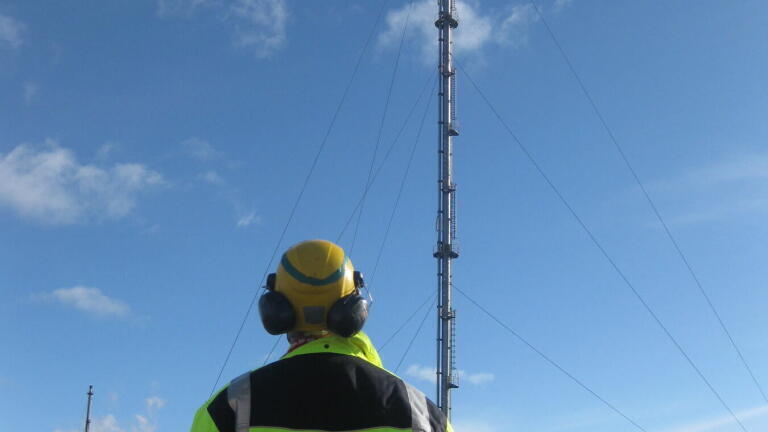
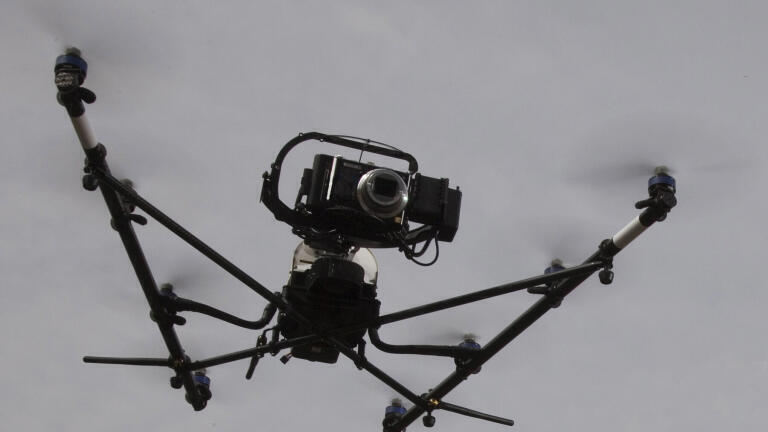
Cyberhawk’s remotely operated UAVs can be equipped with HD video, still photography and thermal imaging equipment. The UAV, similar to a military drone, was flown within a few meters of the 100m high structure. Superb resolution images of the flare stack were captured enabling a detailed technical assessment of its condition.
Live inspection of the flare stack had several advantages. Knowledge of the flare condition prior to shutdown meant the client could accurately assess the extent of remedial work in terms of cost, time and repair effort required. Also, because ‘long lead time’ spare parts were needed, these were ordered in advance from the manufacturer, saving even more time. The alternative would have been to import a large crane from continental Europe at substantial cost. The inspection itself was carried out by Cyberhawk’s Inspection Engineers who are CSWIP (Certification Scheme for Welding and Inspection Personnel) qualified.
“The use of the UAV has proven to be highly cost-effective, safe and practical for the client,” said Douglas Walker, Director, Cyberhawk Innovations. “Use of this innovative aerial inspection technique has meant that our clients can plan a shutdown well in advance as they now have a detailed assessment of what repairs and maintenance will need to be carried out. It also avoids the inherent health and safety dangers of people working at height to inspect such tall structures. Using the UAV we are able to access very difficult to reach areas and obtain detailed images which are invaluable in carrying out an engineering assessment.”
Cyberhawk uses UAVs – Unmanned Aerial Vehicles – equipped with HD video and still cameras to carry out technical inspections of a wide variety of structures including live flare towers, chimney stacks, cooling towers, wind turbines and electricity pylons.
PIN 27.4 Aug/Sept 2026




 Product directory