Fuel for thought
Published over 12 years ago. See the latest and most current information on Fuel for thought.
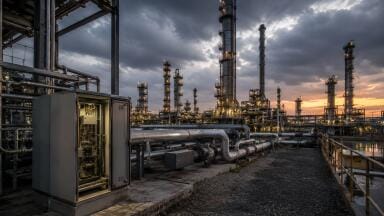
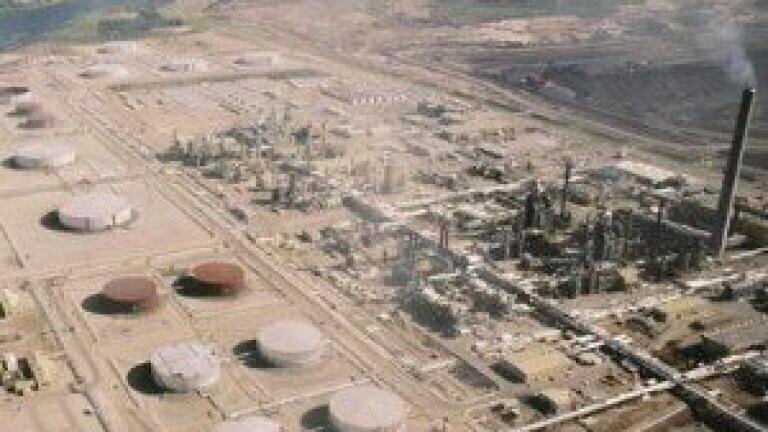
After oil has been mined from the Earth or the sea, it remains in a crude state. This can be either heavy, light or medium, depending on the type of biomass, the level of pressure and the intensity of the heat that went into its composition. Before it can be used as a viable product, which could be anything from petrol to plastic to ink, it must first be sent to a refinery to be processed. There are many types of refineries, each devoted to developing a different product.
The main products created in oil refineries are petroleum, diesel, kerosene or other types of fuel. Because we depend so heavily on these commodities in all aspects of our daily lives – whether it be to fuel our modes of transport, light our homes or cook our meals – the constant functionality of the refinery is paramount. It is for this reason that oil refineries often become targets for enemy forces during times of war: shutting down an oil refinery can cause a stranglehold on the infrastructure of a society.
Although we rely heavily upon the continuing operation of oil refineries, this should not come at the cost of safety. Oil refineries are high-risk, since the materials they deal with are inherently flammable and explosive. Safety guidelines are important to ensure that the risk of accident and loss of life is minimal – although these can often be seen as time and money-consuming by refinery owners and their conscientious implementation is of the utmost concern to labour unions.
Quite apart from the danger of explosion or accident, these factories also deal with corrosive and harmful chemicals and pollutants. Among other emissions, refineries can produce toxic levels of carbon dioxide, carbon monoxide, sulphur oxide, formaldehyde and benzene. The article, Detecting Benzene in Refinery Applications, discusses in particular the importance of detecting the presence of this last element, and how to go about doing so.
These harmful pollutants can affect not only the workers employed at the refinery, but also the surrounding atmosphere. As such, environmental groups are becoming increasingly vocal in their protests about the need for refineries to incorporate greener and cleaner technologies in their methods.
The fate of the oil refinery across the globe is varying. In Scandinavia, American company Honeywell recently announced its plans to upgrade Sweden’s largest refinery. You can learn more about the story in the article Nordics' Largest Refinery Modernised.
However, in the UK, refineries have not been enjoying such prosperity. Last year the Scottish oil trade dodged a bullet by negotiating a late deal, as Grangemouth Oil Refinery Faced Closure Over Worker Cuts, while further south, the Concerns Raised Over Wales Oil Refineries will hopefully be as avoidable as those were in Scotland.
If you’d like to learn more about the refinery process, read this article: How Does Crude Oil Refining Work?
PIN 27.4 Aug/Sept 2026



 Product directory


.jpg)