Fuel for thought
Published over 10 years ago. See the latest and most current information on Fuel for thought.
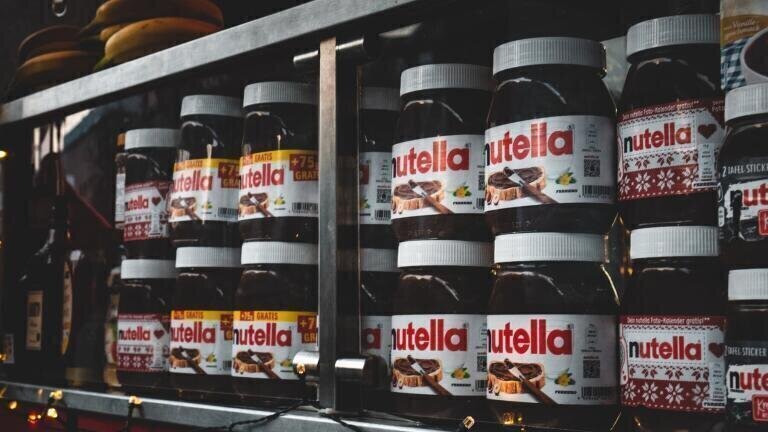
Creamy, chocolatey and utterly indulgent, Nutella is without a doubt one of the world’s favourite spreads. So why has the French ecology minister publically announced his disapproval of the hugely popular hazelnut product? According to Ségolène Royal, Nutella is made using palm oil, a controversial ingredient that’s in the spotlight for deforestation issues across the globe. In a bid to stop deforestation, save the habitats of native animals and slow the effects of global warming, Royal is urging Ferrero to make the switch to an alternative ingredient.
Malaysia is one of the biggest palm oil producers on the planet, and Ferrero sources almost 80% of its inventory from the Asian nation. While palm oil is a major export product for Malaysia, it’s having a devastating impact on its ecosystems.
“We have to replant a lot of trees because there is massive deforestation that also leads to global warming. We should stop eating Nutella, for example, because it’s made with palm oil,” said Royal in an interview with French television network Canal+.
“Oil palms have replaced trees, and therefore caused considerable damage to the environment,” she explained. While she’s not suggesting Ferrero pull Nutella off the shelves, she is urging the high profile company to replace palm oil with “other ingredients.”
The criticism comes in the wake of a recent move that saw the French government attempt to place a 300% tax on palm oil. Senators rallied that it was dangerously fattening, as well as damaging to the natural environments in which it’s harvested. This includes Malaysia, as well as other Asian nations such as Papua New Guinea, Indonesia and Brazil. Unfortunately the measure was defeated, however it does reflect France’s dedication to leading the way in eco-friendly policies.
The nation is continuously demonstrating its commitment to the cause, with France recently banning hydraulic fracturing due to environmental and health issues. ‘The Role of Oil in Water Testing in Unconventional Oil and Gas Operations’ looks at the situation in further detail, offering readers an overview of the deep shale and gas development industries. In the UK concerns regarding the potential negative environmental impact of fracking have delayed exploration, while nations such as Tunisia have joined France in a total ban. Quebec is also in the process of proposing a moratorium that would see fracking projects in the St. Lawrence River valley come to a standstill.
PIN 27.4 Aug/Sept 2026



 Product directory


.jpg)