Fuel for thought
Published over 10 years ago. See the latest and most current information on Fuel for thought.
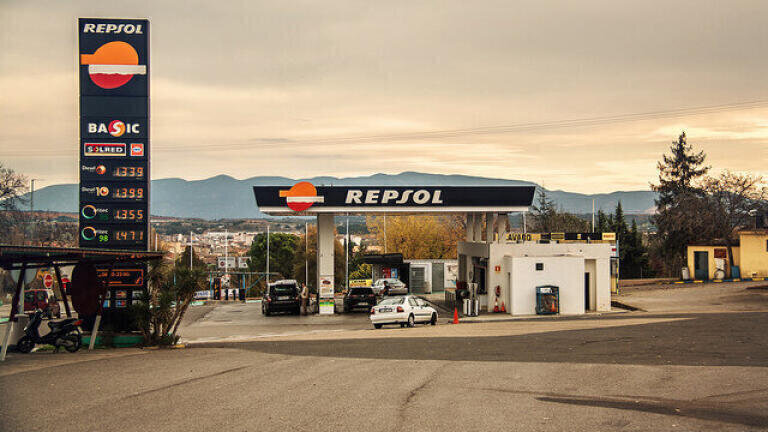
Based in Spain, Repsol is one of the biggest integrated global energy companies on the planet. It executes both upstream and downstream activities across the globe, and is fronted by over 24,000 employees. While it’s a formidable presence in the oil and gas sector, it hasn’t escaped the recent price slump that’s hit the crude market.
In a recent company announcement Repsol executives revealed plans to cut its Canadian workforce by 10-15%. The move comes in the wake of falling oil prices, with a barrel of crude now worth around US$35.
Last May, the company acquired Canada’s Talisman Energy, an independent oil and gas exploration and production company. Consequently, the cuts will be made across the company’s Calgary installations, with spokesman Brent Anderson asserting that it’s an unfortunate yet necessary move.
“In light of ongoing low global energy prices, we’ve spent significant time considering what our organization needs to support our future activity levels,” he comments. “This is a very tough week for our company and all of the people who work here.”
As well as freeing up cash and reducing operational costs, the cuts are also part of Repsol’s efforts to recover from its US$13 billion Talisman acquisition, and replenish its assets. Employee demand is also dwindling as the company scales back its drilling ventures, and reduces shareholder dividends in a bid to survive what’s described as the worst oil slump in decades. While the reductions have come as a shock, they weren’t entirely unexpected. The redundancies follow a plan that was outlined by Repsol last year, warning of intentions to cut around 1500 positions.
The oil industry may be in the midst of a global price crisis, but that hasn’t quashed hope that a comeback is on the horizon. Economists are still exploring new ways to get the market back on its feet, and science lies at the heart of the revival. ‘Oil flow assurance issues: tetraacids in deposits and crude oils’ explores the latest oil industry developments in further detail, with a niche focus on the issue of calcium naphthenate deposition. Unlike emulsion formation, the process sees the element dry upon contact with the air. This triggers the formation of hard deposits which can build up in topside equipment, and result in expensive productivity losses.
Image via Flickr Creative Commons. Photo credits:
PIN 27.4 Aug/Sept 2026




 Product directory


.jpg)