Fuel for thought
Published over 10 years ago. See the latest and most current information on Fuel for thought.
The oil and gas industry is heavily regulated, and the European Commission is considered one of the most ruthless law enforcers. When companies fail to meet ethanol benchmarks, noncompliance doesn’t simply fly under the radar. When the EC gets all fired up, they launch ongoing ethanol benchmark investigations in a bid to clean up the industry.
Shell, BP and Statoil are the latest entities to find themselves on the European Commission’s radar, under fire for the suspected rigging of ethanol benchmarks. While the investigation was heating up for several months, EU antitrust regulators have now dropped the major companies, instead shifting their focus to a trio of biofuel producers.
Now, the Commission has opened a formal antitrust investigation into the activities of Belgium's Alcogroup SA, Sweden’s Lantmännen ek för LANT01.MANG and Spain’s Abengoa SA. All were recently raided for evidence of duping ethanol benchmark standards. According to the Commission, there is a possibility that the three companies have colluded in order to influence ethanol benchmarks published by Platts, a global benchmark price assessments platform. Accusations include supporting and submitting efforts to increase benchmarks in a bid to push up ethanol prices. In turn this would promote the use of biofuels.
"The Commission's investigation focuses on behaviours in price benchmarks for the ethanol sector," states the EU competition authority.
As expected Alcogroup is denying any involvement, maintaining that "Alcodis and Alcogroup operate their activities in accordance with European law and therefore fully cooperate with the European Commission whilst ensuring their fundamental rights to be respected." Lantmännen took a similar tune, releasing a statement insisting that it "cooperates fully with the authority".
As well as fuels, ethanol is also used in a plethora of other products. The food industry uses the alcohol to regulate standards, with ‘Sample Preparation for HPLC Analysis of Confectionery’ looking at quality control in the sweets sector. Parameters of interest include nutritional value, moisture or fat content, and the quantification of certain ingredients such as vitamins or alkaloids. Ethanol is used to analyse alkaloid content in cocoa beans and cocoa nibs. After the ground beans are cooked in water and clarified, they undergo a centrifugation and membrane filtration process. Reversed-phase HPLC and subsequent UV detection are used to analyse supernatant, where a water/ethanol mixture (80%/20%) is used as standard solvent at a flow rate of 1 ml/min.
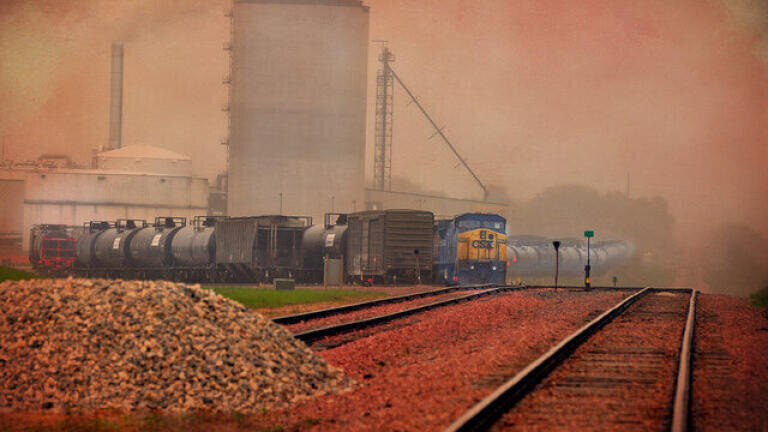
Image via Flickr Creative Commons. Photo credits: TumblingRun
PIN 27.4 Aug/Sept 2026




 Product directory


.jpg)