Fuel for thought
Published over 12 years ago. See the latest and most current information on Fuel for thought.
The vast majority of the oil produced and consumed today was formed at the bottom of the ocean. So, it’s hardly surprising there is so much left. Oil and petroleum companies are forever scouring the earth for more sources of the precious substance, including the waters surrounding our lands. In the search for oil, companies have invested more and more money and taken bigger and bigger strides into the sea to achieve their goals.
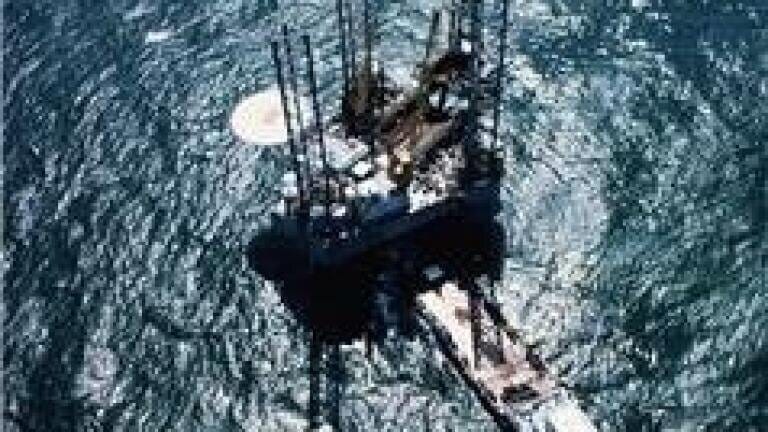
The process began over a hundred years ago, when an oil platform was constructed at the end of a wharf in California in 1897. It wasn’t long before companies were building free-standing oil rigs; first on the lip of the continental shelf that surrounds every coastline. Then, as they became more adventurous, this process moved further and further out into the ocean.
The Gulf of Mexico played host to the first oil rig not visible from land back in 1947, and since then the practice has become more widespread and commonplace.
Of course, such a practice is incredibly difficult to achieve. Retrieving oil and gas from the mainland is hard enough, so trying to achieve the same feat amidst the torrent of waters and the harsh elements that go along with it is an unenviable task.
Quite besides the difficulties offshore oil-riggers face, there are a multitude of dangers as well. Falling from the rig, capsizing rigs, explosions - all of these have caused severe loss of life on oil rigs over the years.
A rigorous set of directives and regulations have been put in place to try and reduce risk as much as possible, as outlined in the article: Offshore Gas Monitoring for Health and Safety. However, even with such schemes in place, accidents have happened and most likely will happen in the future. Because of this ever-present danger attached to the job, those who work on an offshore oil rig are generally paid high salaries.
Furthermore, in addition to the risk to individual life, many concerns have also been raised by environmentalists about the irreparable damage that oil spills from offshore oil rigs could do to the surrounding flora and fauna. Indeed, one particularly substantial and far-reaching spill from the Macondo Well in 2010 is thought to be extreme concern. One news story published in September last year posited that the Recovery from Gulf of Mexico Oil Spill Could Take Decades, leading some to push for an outright ban on offshore drilling.
However, as long as we are without a renewable, sustainable alternative to fossil fuels, offshore drilling will be essential.
If you’d like to learn more about the refinery process, read this article: How Does Crude Oil Refining Work?
PIN 27.4 Aug/Sept 2026



 Product directory


.jpg)