Fuel for thought
Published over 11 years ago. See the latest and most current information on Fuel for thought.
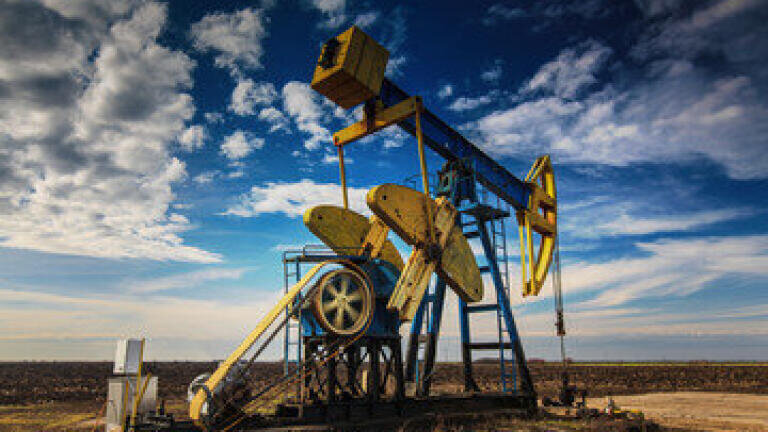
Water injection is a method used to extract oil in mining and can take place in oil developments both on and offshore. It is known as a secondary production as it is only called into place where the oil cannot be extracted freely. Oil that is extracted naturally and without intervention is known as primary production. For more information about the difference between primary, secondary & enhanced recovery for oil extraction here.
There are times within oil extraction, where the only way to encourage the flow is to increase the pressure within the area. Water injection is the process by which this is achieved and can either encourage oil to rise to the surface of a mine or to be swept towards the opening of a production well.
In order for the process to be successful, the water must be treated prior to being injected. Any toxicity, oxygen or silt within the water could not only damage the machinery being used in the injection process but also risk damaging the oil it will come into contact with. It is therefore vitally important that a number of processes are undergone by the water before it is put to use. Therefore, all of the water used goes through an extensive filtration and processing process.
Depending on the location and structure of the mine, as well as the amount of oil which is present and the location of said oil, there are a number of different processes which can be undertaken.
Obviously, such a massive operation takes considerable time and money to put together and therefore, it is only worth doing so if the effects are going to be significant enough to justify that time and effort.
Primary production is generally effective at clearing approximately 30-35% of the total oil in a well or mine. After this, without further intervention, the remaining oil may lie in situ. Water injection can be used to obtain a further amount of between 5 and 50% of the remaining oil depending on the formation of the area and the location of the oil in relation to the surface. In some cases, water injection does not have an immediate effect and it has been known to take up to two years of intensive water injection before any results become apparent.
PIN 27.4 Aug/Sept 2026



 Product directory


.jpg)