Fuel for thought
Published over 11 years ago. See the latest and most current information on Fuel for thought.
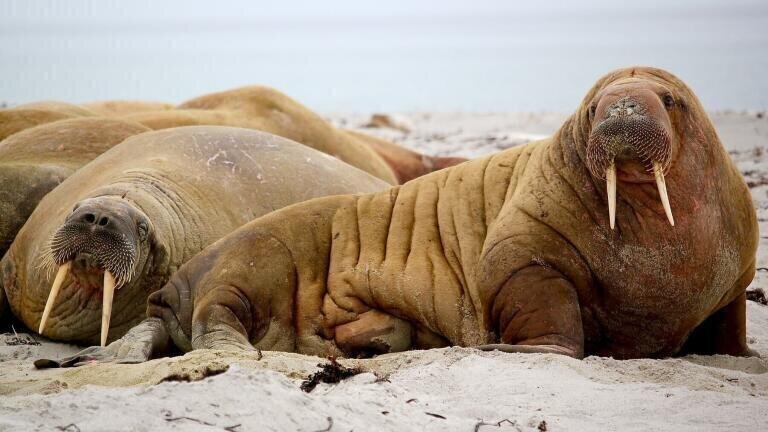
While walruses may have been made famous by The Beatles, the USA is shining the spotlight on the large flippered marine mammals in a bid to protect them from habitual disruption caused by Shell’s Arctic drilling projects. Despite fierce efforts from kayaktivists, raging grannies and other eco-activists, it could end up being these tusked creatures that derail the oil company’s plans.
Earlier this week the Obama administration unveiled an environmental permit that highlights the need for protective buffer zones around the habitats of endangered wildlife. Environmentalists maintain that the animals are extremely sensitive to the sounds of drilling and could find themselves living debilitated lives if the project goes ahead.
The permit came as a surprise to Royal Dutch Shell and has thrown a serious spanner into its plans to continue with Arctic oil exploration plans. One of the biggest developments is the fact that Shell will no longer be able to simultaneously drill two rigs at close range. This may slow down production levels but for native walruses, it could mean the difference between life and death. In the past the mammals have been known to throw themselves off rocks in an attempt to escape the sounds. This is not normal behaviour and could put Arctic populations at risk. As well as protecting walrus populations the permit is also designed to safeguard polar bears, and other Arctic animals.
The permit was issued by the US Fish and Wildlife Service and emphasised that under 2013 federal wildlife protection laws, drilling rigs must be located at least 15 miles apart. The law was originally introduced in a bid to minimise sound stress on wildlife. However according to the 2015 Arctic drilling plan put forward by Shell, none of its wells are separated by a 15 mile buffer. In fact, a pair located in the Chukchi Sea are just nine miles apart.
As expected Shell is meticulously assessing the permit and plans to continue with the project until further notice. Company spokesman Curtis Smith says, “Our goal is to safely accomplish as much work as we can before the end of open water season.”
As well as native wildlife, the operations of oil companies are also affected by weather patterns. ‘Gulf Coast hurricanes and their impact on offshore oil production’ examines the impact of hurricanes on offshore oil production projects, and how companies have dealt with wild weather in the past.
PIN 27.4 Aug/Sept 2026



 Product directory


.jpg)