Fuel for thought
Published over 10 years ago. See the latest and most current information on Fuel for thought.
For decades, the price of oil has acted as a thermostat for measuring the performance and prosperity of the global economy. As well as being an indicator of overall economic health, analysts assert that oil markets also act as a weatherglass for approaching geopolitical conflict.
While in June 2008 the price of oil peaked at almost US$150, today it’s plummeted to a meagre US$30. Yes, it’s shaken the state of the world economy, but experts maintain that the crash goes far deeper than simply financial turmoil. For the European Union, spiralling oil prices have especially worrying connotations. Despite the fact that flow oil prices are helping to stabilise Europe’s fragile economy, they could trigger geopolitical clashes that spark serious volatility.
In the past, availability of resources has largely determined the geopolitical influence of certain countries. In the Age of Sail, Britain’s abundance of oak forests won it status as the world’s premier naval power. The Industrial Revolution saw steel and coal emerge as powerful commodities, which went hand in hand with weighty political sway. While the golden years were prosperous, the value of timber and steel wasn’t eternal. They eventually lost their strategic importance, which consequently upended the geopolitical landscape. As oil prices plummet, analysts are predicting that the EU could be in for a shock.
As flagging oil prices destabilise authoritarian regimes, they predict that geopolitical relationships will start to suffer. The concept is known as the “resource curse” and refers to the trend of dependence on natural resources leading to corruption, distortion and poor leadership. This has played out in countries such as Nigeria, Venezuela, Saudi Arabia, Russia, Iran and Iraq, where dependence on oil revenues has tainted political order. When prices are high, skies are relatively blue. When they drop, the fallout can be catastrophic.
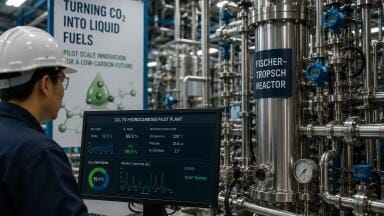
There are a number of factors pushing down the price of oil, and biofuels are definitely set to become a weightier threat over the next few years. ‘Biofuels and their Precursors – A Challenge for Common Elemental Analyzers’ explores the rise of alternative liquid fuel production strategies, and the new research being channelled into second generation biofuels. Should these new developments be refined on a mass scale, the global oil market could be on-track for an even bigger crash. Whether or not current geopolitical relationships survive would depend on a myriad of factors, including whether or not governments take action to strengthen and unite in times of economic turmoil.
Image via Flickr Creative Commons. Photo credits: European Parliment
PIN 27.4 Aug/Sept 2026



 Product directory


.jpg)