Fuel for thought
Published over 11 years ago. See the latest and most current information on Fuel for thought.
Drilling for oil in any landscape is a difficult, but doing so in the Arctic is all the more problematic. It’s costly, complex and fraught with environmental considerations - and that’s just for starters. Here’s a closer look at the challenges of drilling for oil in the Arctic.
To begin, the potential for oil needs to be explored. This is done via a wellbore - which is the same route used for extraction. A structure known as a ‘Christmas Tree’ is then installed - sitting on top of the well. Its system of tubes and valves are used to monitor and regulate oil flow and pressure. In contrast to the 70s and 80s, modern Artic drilling tends to be horizontal - allowing access to otherwise difficult and distant oil reserves.
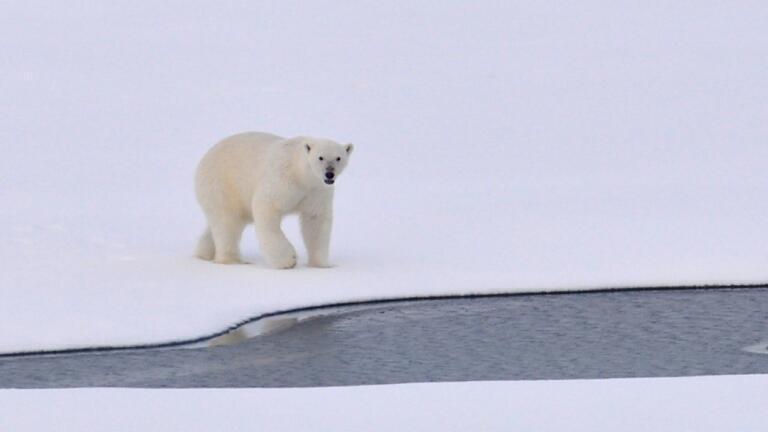
As the northernmost part of the earth, the Arctic is certainly unique. During the winter, temperatures can reach minus 50 degrees Celsius. It is home to vegetation and animals not seen elsewhere - including ermines, wolverines and narwhal. As such a special natural habitat, it is the focus of attention where the environment is concerned - not least because the effects of global warming are most prevalent here, with the melting of polar ice caps.
Oil spills could wreak havoc to the fragile eco-systems in the Arctic. While Shell has purported to be able to clear ninety five percent of any spillages, others question the validity of this claim due to the harsh, unknown conditions. Spillages could even affect other bodies of water, as ice could absorb the oil and transport it for hundreds of miles.
It’s not just the environment that sparks debate about oil drilling in the Arctic. The question of cost is also a big one - not least because the logistics of installing an oil well in freezing conditions are incredibly challenging. Ice roads and an ice airstrip have to be constructed. And around 15 million gallons of water are required for drilling and development.
Perhaps the most complex of challenges is the question of sovereignty. Who owns the Arctic? And who has the right to drill for oil there? It’s a debate that has taken place on an international scale. While there are eight Arctic nations, no one country owns the North Pole or surrounding waters.
As time goes on, the Arctic oil debate is set to continue - not least because the melting of ice caps is expected to make large seabed oil fields accessible for the first time. But is drilling for oil in the Arctic it right on an ethical level? Environmentally? Or politically? These questions are certainly far from easy to answer.
Would you like to read more about this topic? Have you ever asked what happens when an oil rig retires? Do you know where the first ever oil well was? And can you guess who the largest oil and gas companies are? You can find out right here at Petro Industrial News.
PIN 27.5 Oct/Nov 26


 Product directory


.jpg)



















.jpg)