Fuel for thought
Published over 11 years ago. See the latest and most current information on Fuel for thought.
Chemicals play an integral role in our day to day lives, from agriculture and consumables to cleaning products and clothing. Although despite their extreme importance very few people stop to consider how these chemicals are produced, and the role they play in the world’s dependence on oil.
Historically, petroleum has always been used to manufacture the chemicals that make up everyday products such as pesticides, make-up, paint and more. While many of the elements needed to manufacture such chemicals are naturally occurring, harvesting them on an industrial level is difficult and expensive. Cue the role of petroleum.
Up until very recently oil was considered an inexpensive and readily available commodity which made it an ideal candidate for the chemical industry. However as the world starts to turn away from crude for environmental, economic and health reasons, advanced methods for industrial biotechnology are focusing on replacing petroleum with engineered bacterial cells during the chemical manufacturing process.
The main drawcard is the fact that the bacteria can be bred using cheap, renewable and organic resources, such as farmland and household waste. Bacterial cell biology is at the heart of the revolution and in the future could see the need for petroleum eliminated entirely.
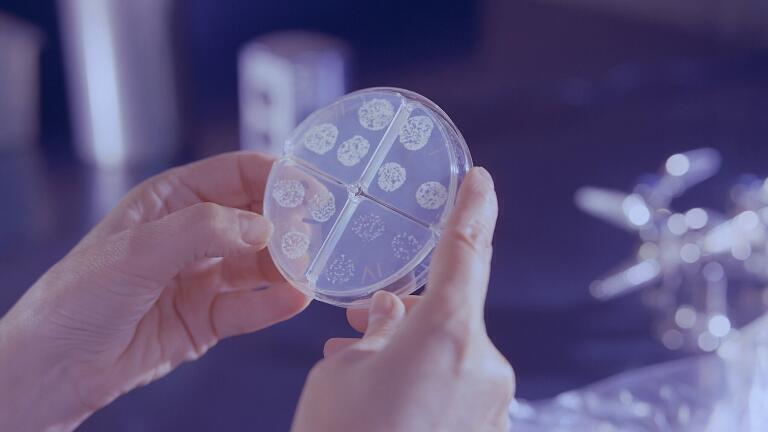
Researchers at Newcastle University’s Centre for Bacterial Cell Biology have spent years studying Bacillus subtilis. The bacterium lives in soils and human guts, and is apt at creating and secreting enzymes that serve as catalysts for an array of processes. For example, they produce proteases enzymes which are used in biological washing powders capable of breaking down blood, egg, starch and protein stains.
The new discoveries are a lucrative opportunity for global industrial biotechnology industries to capitalise on science while simultaneously replacing petroleum with an eco-friendly alternative. Given the fact that the global industrial enzyme market is worth an estimated US$7.1 billion Bacillus subtilis could be worth big bucks.
Another exciting new bacterium is cyanobacteria, a marine organism that creates its very own organic sunscreen molecules. Rather than rely on petroleum to manufacture the chemicals needed to produce sunscreen, cyanobacteria could be a sustainable new solution.
Environmental concerns are major inspiration when it comes to phasing out the world’s reliance on petroleum. Could bacteria could be the answer? If you’re interested in finding out more about the eco issues surrounding the oil and gas industry ‘Hydraulic Fracture, Gas Seepage and Other Environmental Issues Concerning Shale Gas’ delves into some of the more pressing apprehensions.
PIN 27.4 Aug/Sept 2026



 Product directory


.jpg)