Fuel for thought
Published over 10 years ago. See the latest and most current information on Fuel for thought.
As Saudi Arabia’s capital and main financial hub, Riyadh has major sway when it comes to influencing global oil markets. However, with Western sanctions just lifted on Iranian oil, a new era of opportunity has opened up for the Islamic republic. It’s good news for Iranian producers, but not so ideal for other major producers such as Saudi Arabia. With Iran now challenging its dominance, the city is actively attempting to hinder Tehran’s return to the global oil stage.
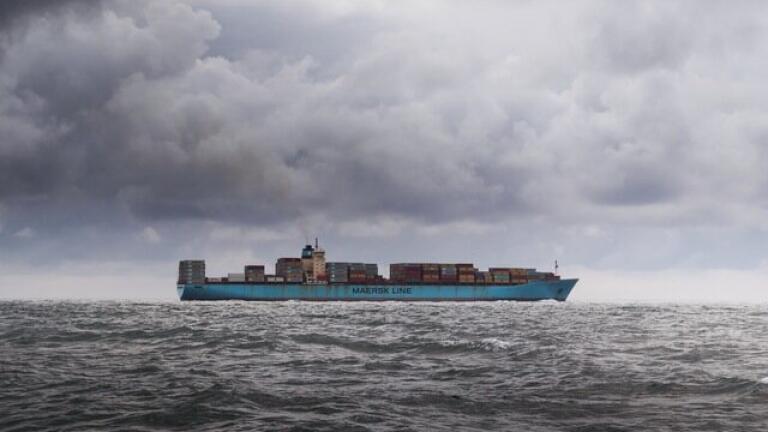
According to the Financial Times, the Saudis are stopping Iranian oil tankers from entering national ports. This means that by mid-April, just eight Iranian oil tankers will have reached European shores, which equates to a meagre 12 million barrels of cargo. While there are no formal restrictions in place, analysts assert that Saudi Arabia is sending a clear message to Tehran.
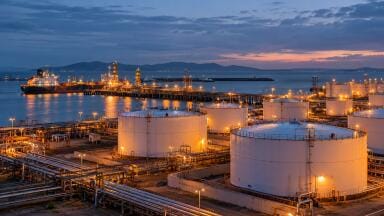
Some traders even maintain that the Saudis are attempting to prevent Iran from reaching the Arab Petroleum Pipeline Company (SUMED). Spanning from the Gulf of Suez’s Ain Sukhna terminal to Egypt’s Sidi Kerir offshore hub, the pipeline was used to transport crude from the Red Sea to the Mediterranean while Iran’s oil markets were free flowing. The pipeline was not used by Iran during the sanctions, and it seems that Saudi Arabia wants to keep it that way. With Egypt owning 50% of the line, and Saudi Arabia, Kuwait and the UAE holding a joint 45% share, Iran has little power to oppose the ‘blockade.’
With major output freeze talks on the horizon, there are suspicions that Saudi Arabia doesn’t want to see Tehran reach its pre-sanctions production goals of four million barrels per day. This would represent a significant increase on current 2.8 million bpd production levels, and potentially have a negative effect on Saudi profits. Saudi Arabian Deputy Crown Prince Mohammed bin Salman has confirmed that the Kingdom will not support an output freeze without participation from Iran, while other key industry players are reluctant to speak up or oppose the Kingdom’s actions, as they’re concerned about complicating relations.
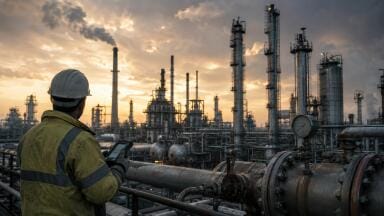
As seen in the SUMED scuffle, transport is a major factor within the oil industry. Upkeep is essential, with ‘Fast and Reliable Chlorine Determination by Self-Adopting Systems’ taking a closer look at the issue of chlorine containing compounds during the storage, transportation and processing stages.
PIN 27.4 Aug/Sept 2026



 Product directory


.jpg)