Fuel for thought
Published over 10 years ago. See the latest and most current information on Fuel for thought.
Together, OPEC member countries produce around 40% of the world's crude oil supply. Yet despite the organisation’s formidable power, a series of factors have now put OPEC on-track to hit a global supply deficit, unless it can secure an additional 650,000 barrels per day.
So why has OPEC been left reeling? The fallout from the Brexit vote was a definite blow to global oil market stability, and now a host of potential supply outages are heightening fears over a supply deficit. This includes the danger of strikes in non-OPEC nations, as well as major disruptions within member countries such as Venezuela, Nigeria and Libya.
In Norway, the threat of an oil worker strike cast a marked shadow over national production. While unions did come to a wage deal agreement with major companies such as Statoil, ExxonMobil and Engie, the outcome could have been catastrophic for the global oil market as a whole.
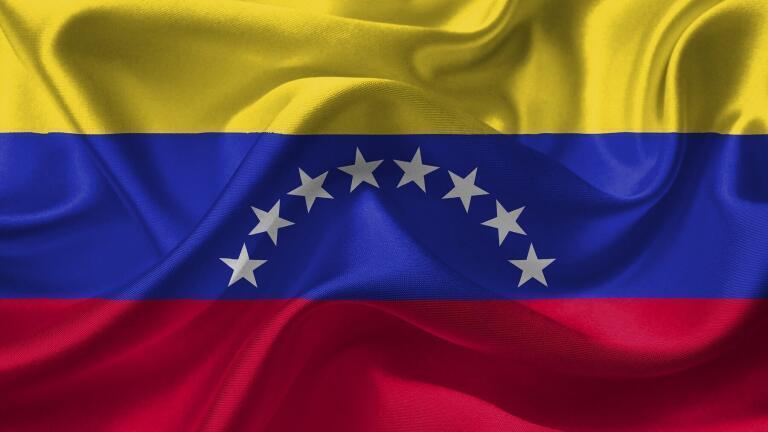
Venezuela is home to another looming supply disruption, with the country’s economic crisis threatening the existence of state-owned oil company PDVSA. The Venezuelan government’s cash reserves are rapidly running dry, which is forcing PDVSA to borrow from international companies. This trend has resulted in analysts predicting major downturns, with Barclays forecasting an 11% drop in Venezuelan oil production in 2016.
“The situation is becoming more and more difficult for oil services in Venezuela,” comments Baptiste Lebacq, an analyst at French corporate and investment bank, Natixis SA.
If PDVSA’s multi-billion dollar debts push it into default, the state would also slip closer to the brink of fiscal calamity. This could result in oilfield service companies going unpaid, which would see national oil production take a major blow. Barclays predicts losses of around 250,000 barrels per day, yet other analysts warn that a significantly sharper drop could also materialise. In a worst case scenario, production could plummet by more than 600,000 barrels per day.
For OPEC, this means that tracking down an additional 650,000 barrels per day is at the top of its priority list, if it wants to sidestep a deficit. Couple Venezuela’s troubles with ongoing disruptions in Libya and Nigeria, and filling the gap is becoming an increasingly pressing task.
All countries face their own oil related challenges, and European nations aren’t exempt. ‘On the Blue, Blue Danube’ explores the operational trials of transporting goods along Europe's second-longest river, and how Swiss headquartered iron ore company Ferrexpo is augmenting efficiency using a next generation DPRn measuring cell developed by Anton Paar.
PIN 27.4 Aug/Sept 2026



 Product directory


.jpg)