Fuel for thought
Published over 13 years ago. See the latest and most current information on Fuel for thought.
An area bordering the Arctic Ocean has been opened for oil drilling by the Parliament of Norway. The fringe area of the Arctic Ocean can now be utilised for offshore drilling. The move has caused many complaints from opponents, as the introduction of oil rigs into the hard-to-reach area could result in massive oil spills.
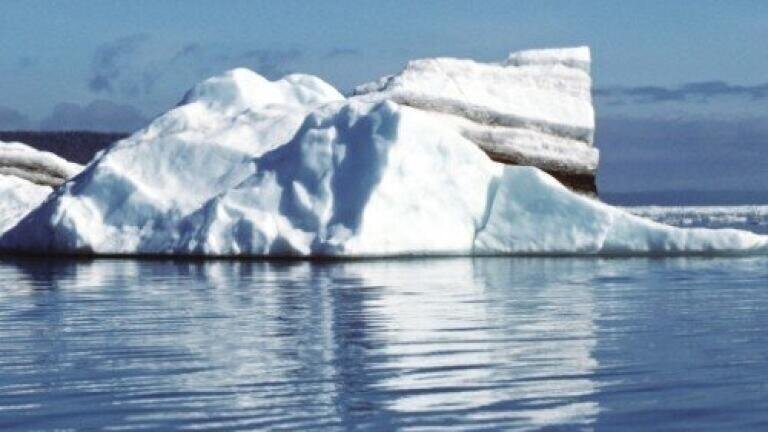
The announcement to allow drilling to start in this area of the Arctic has prompted concerns to be raised concerning the difficulties related with offshore drilling in icy water. Complications could lead to large amounts of oil in water, which could damage the fragile ecosystem of the area.
The Norwegian government has said that careful management will be in place to ensure all environmental risks are considered and factored in to activities. The government has also said that areas covered in sea ice are not available for drilling.
The majority of the Barents Sea that is in Norwegian territory has already been opened for drilling activity and other activities related to the petroleum industry, but the environment is more stable that the Arctic.
The oil operations within the Barents Sea have enabled Norway to become one of the richest countries in the world per capita. Oil and natural gas exports bring a large amount of capital into the country. The decline in production within the North Sea has prompted Norway to look to this area of the Arctic in an attempt to offset loss of production.
Some have argued that the increase of offshore oil drilling moving further north could be a sign that companies will start to look to the North Pole as an opportunity to boost the oil industry. The increase in global temperatures has led to some thawing in more northerly areas, meaning that more and more areas may eventually be suitable for drilling.
PIN 27.4 Aug/Sept 2026




 Product directory


.jpg)