Fuel for thought
Published over 10 years ago. See the latest and most current information on Fuel for thought.
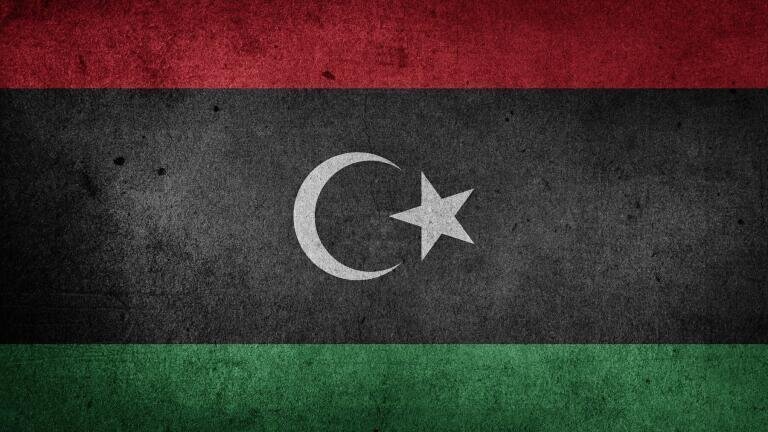
For years, Western and Eastern Libya have been engaged in a fierce power struggle over oil revenues. But with a new energy merger now in the works, officials are hoping for government unification.
With a current daily production output of just 328,000 barrels, conflict between Libyan factions in the wake of Gaddafi’s downfall brought the nation’s oil industry to a grinding halt. Now, the outlook is a little brighter, with SEB chief commodities analyst Bjarne Schieldrop predicting that if the deal materialises, “production could return towards a million barrels per day.”
A top Libyan oil executive predicts that a new agreement to unify the energy sector could encourage reconciliation between the two rival governments, while simultaneously boosting crude production in the north African nation. The deal was reached earlier this month, and will see competing national oil companies (NOC) in the West and the East merged to create a single national entity.
Mustafa Sanalla, head of the Tripoli-based NOC asserts that the move overcomes a major barrier that’s been preventing the unification of the country since the government split in 2014. Oil revenue was a fundamental trigger, though with the merger now in place experts are confident that a reconciliation is on the horizon.
“This will help the broader political climate. I urge all other political institutions to do the same,” he said in an interview with the Financial Times.
Both sides have come to agreements on a number of keynote issues, including executive appointments, budget, board composition and the relocation of NOC headquarters from Tripoli to Benghazi.
As the backbone of the country’s economy, fluidity within the industry could spark major benefits for both the oil sector as a whole, as well as Libya’s citizens. Head of the eastern-backed NOC, Naji al-Maghrabi maintains that optimism is in the air, but only if profits are distributed on a national level.
“We support this agreement and we are optimistic. But this deal will only hold if funds from oil revenues benefit all Libyan people,” he said.
Should Libya’s oil market stabilise, it could soon start introducing tough regulations like the U.S. Environmental Protection Agency’s Tier 3 requirements. ‘Impact of Tier 3 Program’ takes a closer look at the new sulphur restrictions that will go live in 2017, and how increased monitoring will play a critical role in helping producers meet these requirements and maximise efficiency.
PIN 27.4 Aug/Sept 2026



 Product directory


.jpg)