Fuel for thought
Published over 12 years ago. See the latest and most current information on Fuel for thought.
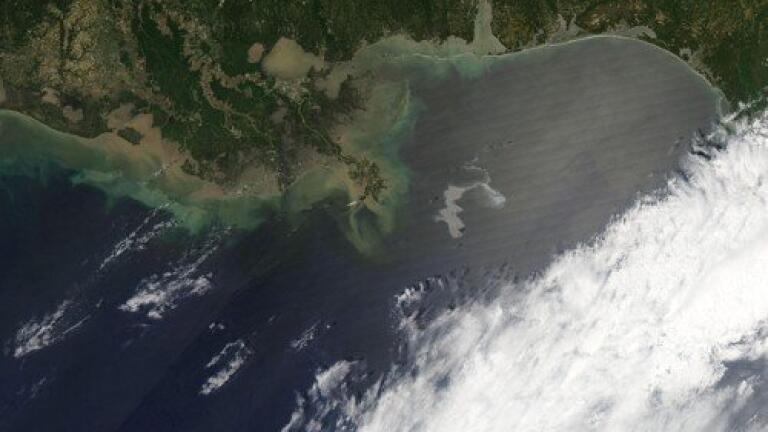
Methane, which leaked during the 2010 BP Gulf of Mexico oil rig blowout, continued for months after the presumed gas cleanup, according to scientists. New research has found that although marine microbes were thought to have cleaned up the methane leaked during the incident, the gas actually continued to leak for an extended period afterwards.
Following the blowout on April 20th 2010 at the Deepwater Horizon Rig, around half a million tonnes of natural gas leaked into the sea. Around 80 per cent of this was methane, which caused a "bloom" of marine bacteria to form as the microbes fed on the gas.
The natural bacteria helped to stop methane from remaining in the sea, which would have caused ocean acidification, or from entering the atmosphere and contributing to climate change. Although it helped with the cleanup of the disaster - tests suggested that by the end of August all of the leaked gas had been cleaned up due to the dramatic size of the bloom - new research has suggested they were not as successful as previously thought.
Published in the Nature Geoscience journal, the study - performed by marine scientists in the US - found the size of the microbe bloom declined quickly towards the end of June 2010. However, methane concentrations remained at around 5,000 times above typical background levels as the bloom became smaller. It was found that, while the microbes did help to clean-up a large amount of the gas, the number present at the site shrank, even as the leak continued.
After 83 days, the well was eventually capped, releasing around four million barrels of crude oil as well as the natural gas. Research into the leak ran from May to December 2010 and found that the residual microbe plumes shrank. However, the new study said that methane levels that were above the normal amounts - with the gas carrying a carbon isotope signature that identified it as coming from the well - were measured over a large area north and northeast of the leak site. These levels continued until at least the end of the year, according to the researchers.
PIN 27.4 Aug/Sept 2026



 Product directory


.jpg)