Fuel for thought
Published over 11 years ago. See the latest and most current information on Fuel for thought.
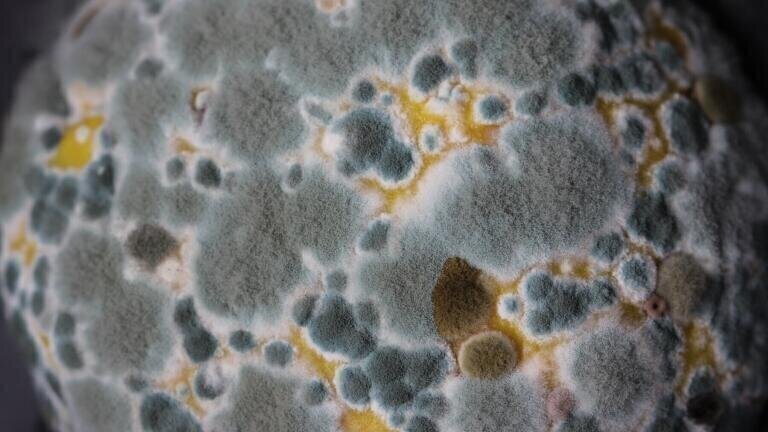
Innovation is being sparked brighter than ever at Manchester University’s Institute of Biotechnology (MIB), where a team of researchers has used yeast mould derived enzymes to create small quantities of hydrocarbons. The breakthrough study was recently published in Nature journal and could mark a new era of advancement for the bio-fuel production process. For the planet the yeast mould discovery could alleviate our dependency on fossil fuels and help build a more sustainable future.
According to lead investigator Prof David Leys the major breakthrough occurred when the team managed to identify the mechanism of the two key enzymes that trigger the production of volatile hydrocarbons via yeast mould. The reaction creates kerosene-like odours when growing on food containing a preservative called sorbic acid. The researchers uncovered that in order to foster the production of volatile hydrocarbons the organisms use a modified form of vitamin B2, also known as Flavin. Interestingly, the same process is also used to produce vitamin Q10.
“This fundamental research builds on the MIB’s expertise in enzyme systems and provides the basis for the development of new applications in biofuel and commodity chemical production,” explains Leys on the university website. “The insights from this research offer the possibility of circumventing current industrial processes which are reliant on scarce natural resources.”
So how did they manage to uncover such an exciting new insight? The project utilised Harwell’s Diamond Synchrotron source which provided an in-depth glimpse at the bio catalytic process. Using the state-of-the-art technology the researchers were able to identify similarities in a range of chemical synthesis procedures that weren’t previously thought to naturally occur.
The team shone the spotlight on alpha-olefins, an intermediate class of hydrocarbons that play an integral role in triggering chemical reactions for a range of industrial applications. From shaping flexible and rigid pipes, manufacturing synthetic vehicle lubricants and producing detergents, alpha-olefins are critical within the industrial sector. While in the past manufacturers have had to rely on rapidly depleting natural resources to produce volatile hydrocarbons, the yeast mould revelation could completely reimagine the process. Instead, the naturally occurring enzymes could be used to create eco-friendly biofuel that doesn’t bleed dry the planet.
Interested in exploring the relationship between petrochemicals and hydrocarbons in further detail? ‘Hydrocarbon Testing—an Important Analysis Throughout the Petrochemical Industry’ delves into how oil content in wastes is measured, whether it’s water from onshore/offshore sites, refinery effluents or drill cuttings/mud.
PIN 27.4 Aug/Sept 2026



 Product directory


.jpg)